A commercial cleaning visit goes better when the space is ready for it. Clear surfaces, known access arrangements, and a few written instructions let a crew spend its time cleaning instead of guessing. Preparation also protects your property, since sensitive items and paperwork are less likely to be moved or disturbed. This guide covers a practical checklist for offices in Cape Coral and Fort Myers, from the first conversation about scope to what to leave out the night before, so each visit starts on the right footing.
Agree on the Scope Before the First Visit
The most useful preparation happens before anyone arrives. Write down which areas the service covers: reception, work areas, break rooms, restrooms, floors, and any other shared spaces. Note areas that should be left alone, such as a locked office, a server closet, or a storage room. A short written scope keeps expectations clear for you, your staff, and the crew.
Share the details that affect the work: the approximate size of the space, the type of floors, and any surfaces that need special care. If you have a preferred time of day, say so. Being specific at the start helps the estimate reflect the space you actually have, rather than a generic assumption.
Sort Out Access and Security
Decide how the crew will enter and who is responsible for the building. Keys, codes, alarm instructions, and parking details should be written down and shared with the right contact only. Avoid sending sensitive codes in casual messages, and change or review them if a crew changes.
Name one person who can answer questions on the day, and keep their contact details where the crew can reach them. If your lease or building manager has rules about after-hours entry, elevator use, or loading areas, pass those along. Clear access rules prevent delays and avoid problems with neighboring tenants.
Clear Desks and Shared Surfaces
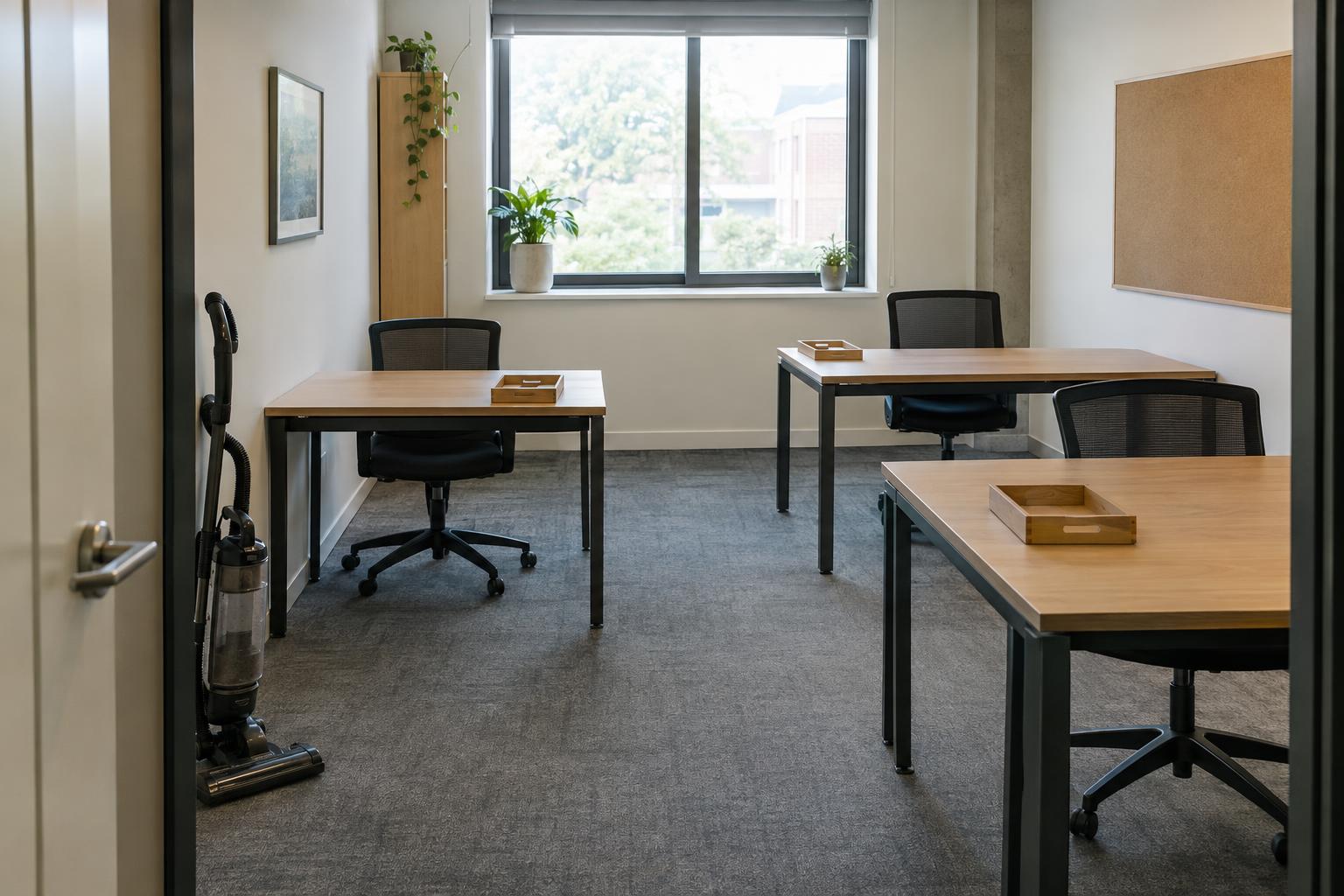
A tidy surface is easier to clean well. Ask staff to put away loose papers, cups, and personal items, particularly on desks, counters, and conference tables. Anything left out may be moved, and clutter slows the work or means some areas get only a quick pass.
Do not expect a crew to sort through documents or electronics. Lock away confidential papers, laptops, and valuables, and cover or secure anything that should not be handled. A clear-desk habit at the end of the day makes this almost automatic.
Handle the Break Room and Kitchen
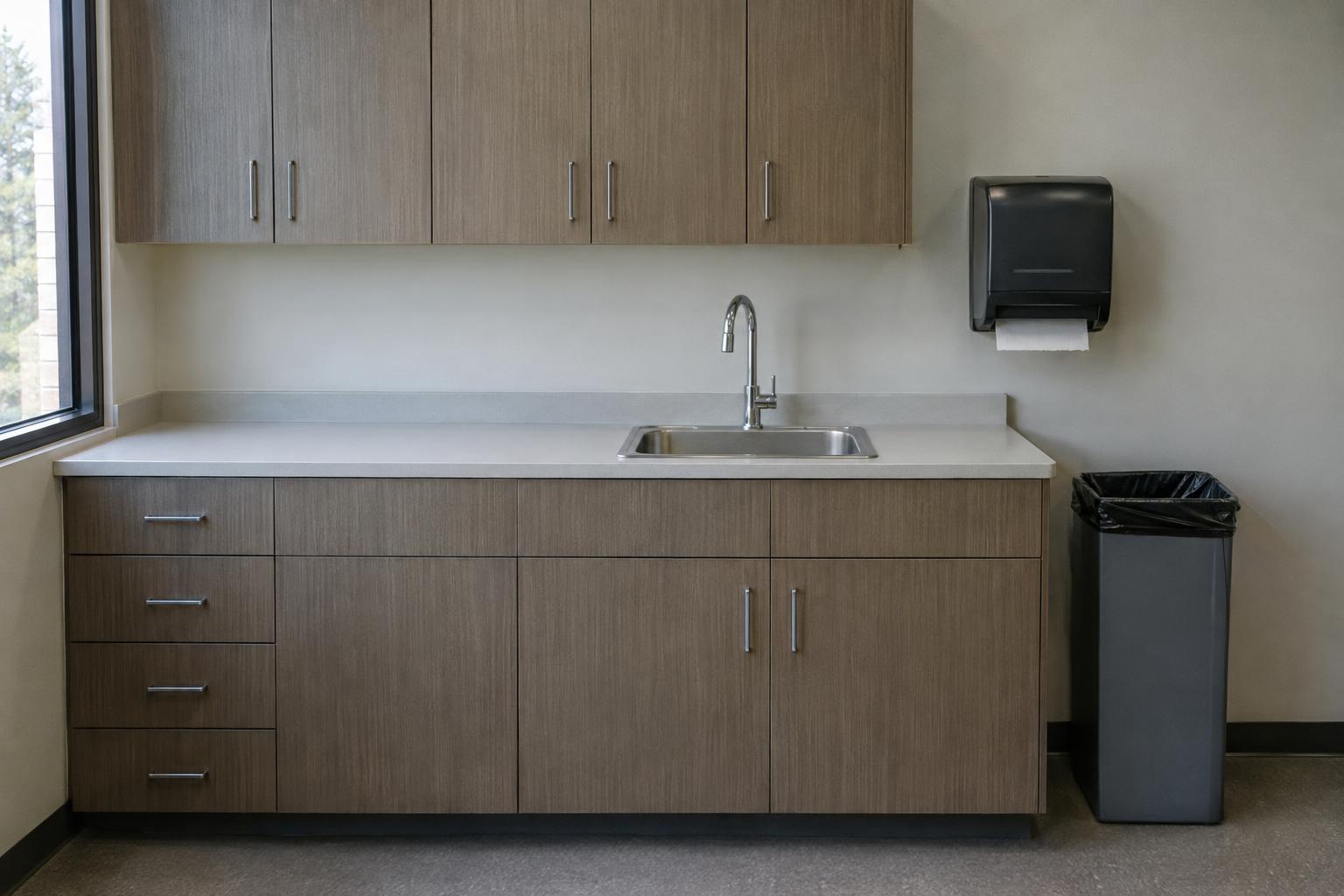
Shared kitchens can cause the biggest surprises. Ask people to remove their food from refrigerators on the day of a deep clean, and to wash or put away personal dishes. Empty the sink, clear the counters, and point out any appliance that needs special care.
Share your preference for what happens to items left behind, whether they are discarded or set aside. Tell the crew about any allergies, sensitive equipment, or shared supplies, such as paper goods or soap, that should stay stocked. A short note on the fridge or counter can save a long conversation. If your office keeps its own supplies, the EPA’s Safer Choice program is a useful starting point for choosing cleaning products that have been reviewed against ingredient standards.
Think About Restrooms and High-Touch Areas
Restrooms are a priority in most offices, so make sure supplies are accessible and any maintenance issues are reported before the visit. A dripping tap or a broken dispenser is a repair question, not a cleaning one.
Point out the high-touch areas that matter most in your office, such as door handles, light switches, shared equipment, and reception counters. Mention any product preferences or sensitivities among staff. You can also share your own schedule for restocking so supplies do not run out between visits.
Protect Equipment, Floors, and Valuables
Identify sensitive equipment and cords. Computers, printers, and phone systems should be left where they are, with cords tucked away so they are not a trip hazard. If a space has special flooring, such as natural stone or a finished wood, mention it, so the crew can match the method to the surface.
Move fragile or valuable items to a safe spot, and tell the crew about any wet or recently finished areas. If a floor is being repaired or treated, schedule the cleaning around it. The aim is to remove guesswork so nothing is damaged by an assumption.
Tell Your Staff What to Expect
Preparation works best when everyone knows the plan. Let your team know the cleaning schedule, what to put away, and who to contact with questions. A short reminder before the first visit and a quick note on any change keep things running smoothly.
Encourage staff to report spills or problems as they happen and to avoid leaving items in the way of the crew. If there are specific instructions about the use of lights, alarms, or locks at the end of a visit, share them in writing. Small habits, repeated, make each visit easier.
New hires and part-time staff often miss these instructions, so include them in onboarding or post a short reminder near the break room. A one-page sheet with the cleaning schedule, the contact person, and a list of areas to keep clear is enough. Review it each quarter, and update it whenever the schedule, the office layout, or the services you use change.
Review and Adjust After the First Few Visits
Even with good preparation, the first visits usually reveal details to adjust. Walk the space after a visit, note anything that was missed, and talk through it with the provider. Adjust the scope, timing, or instructions as you learn what works. Keep a simple running list of requests, such as an area that needs extra attention or a supply to restock, and share it at a regular time so the conversation stays organized. Over several weeks the checklist you started with becomes a routine that fits your office, and the crew gets a clearer picture of what a good visit looks like for you.
3D Cleaning provides commercial cleaning for businesses in Cape Coral and Fort Myers, with supporting coverage in Punta Gorda. Use the estimate form to describe your space, the areas that matter most, and your access and timing needs so the scope can be confirmed before service begins. If you have questions as you prepare your office for the cleaning crew, call 3D Cleaning at (239) 919-4665.
Frequently Asked Questions About Preparing an Office for Cleaning
What should staff put away before a cleaning visit?
Loose papers, personal items, food and dishes, and anything confidential or valuable. Clear surfaces make it easier to clean well.
Who should have the keys or access codes?
Share them only with a named contact and in a secure way. Write down arrival rules so the crew knows how to enter and lock up.
Should I tell the crew about sensitive equipment?
Yes. Point out computers, printers, special floors, and anything that should not be moved, so the method matches the space.
How do I know the scope is right?
Agree on the areas in writing, walk the space after a few visits, and adjust anything that was missed or is not needed.
To plan commercial cleaning for your office, contact 3D Cleaning through its estimate form. The team serves Cape Coral and Fort Myers, with supporting coverage in Punta Gorda. Include the size of the space, the areas that matter most, your preferred timing, and any access or security notes so the conversation can start with the right details.