
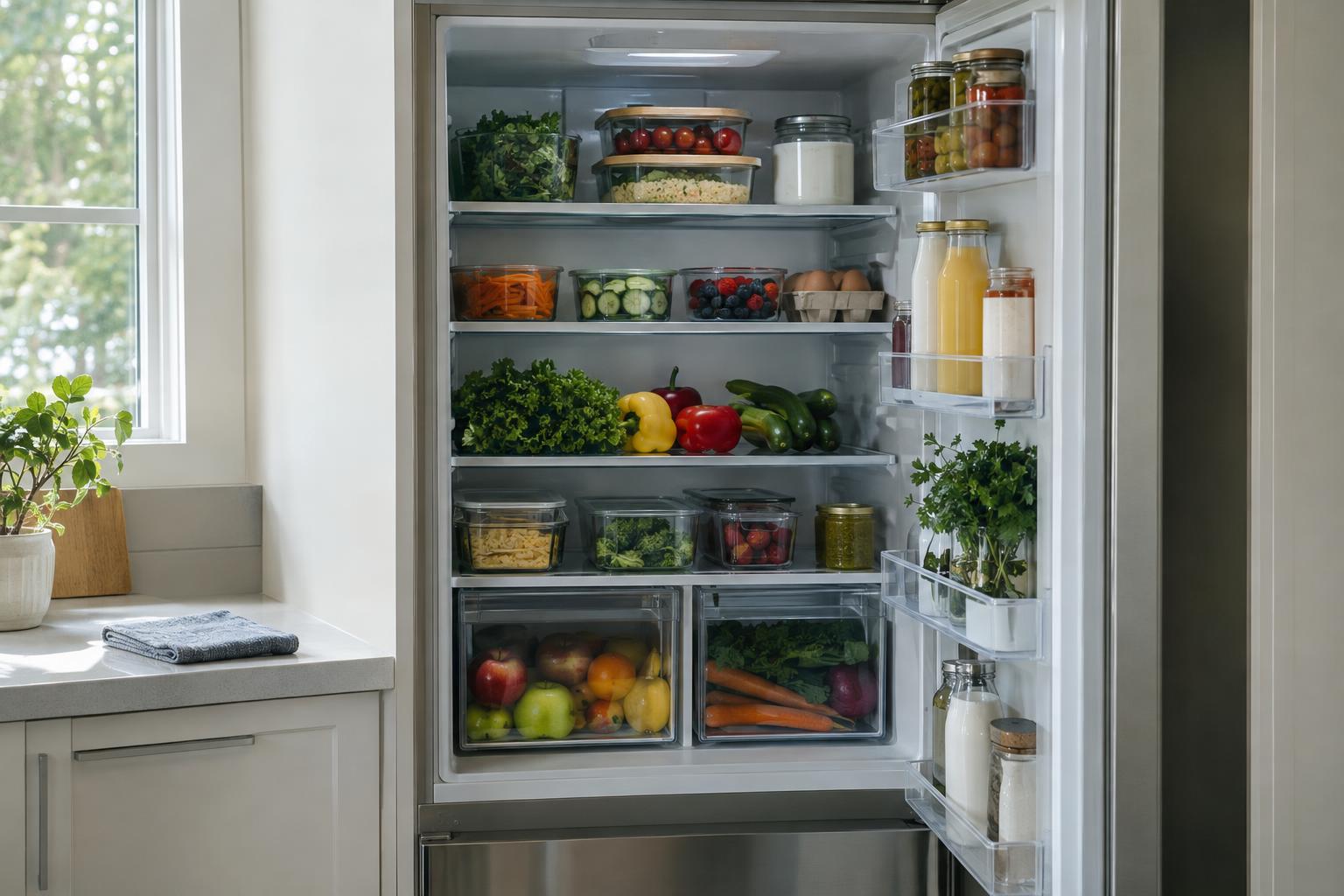
The refrigerator is the appliance everyone opens many times a day, yet it often gets cleaned only when something spills or smells. Shelves collect sticky rings, door gaskets hold crumbs, and the outside collects fingerprints and grease from nearby cooking. A thorough clean takes about an hour and needs only a few basic supplies. This guide explains how to empty, clean, and reset a refrigerator safely, what to avoid on different finishes, and how to keep it fresh between deeper cleans, so homeowners in Cape Coral and Fort Myers can handle the job with confidence.
Plan the Job and Gather Supplies
Pick a time when the refrigerator is fairly empty, such as just before a grocery trip. Gather a cooler or insulated bags for perishable food, a few microfiber cloths, a soft sponge, mild dish soap, warm water, a small bowl, a soft brush such as a toothbrush, and a dry towel. A spray bottle is handy but not required.
Read the appliance manual if you still have it, or look up the model online. The manufacturer’s care guidance tells you which parts are dishwasher safe, which finishes are sensitive, and whether the coils are easy to reach. Following those instructions is the safest way to avoid damage. If you want to compare cleaning products, the EPA’s Safer Choice program lists products reviewed against ingredient standards.
Empty the Refrigerator and Check Dates
Take everything out and place perishable items in the cooler so they stay cold while you work. Move quickly, since food should not sit at room temperature for long. As you remove each item, check the date and the condition. Discard anything expired, leaking, or doubtful.
This is also a good moment to sort. Group condiments, drinks, leftovers, and produce, so that you put things back in a more organized way. A clear layout makes it easier to see what you have, which cuts waste and makes later cleaning faster.
Remove and Wash Shelves and Drawers
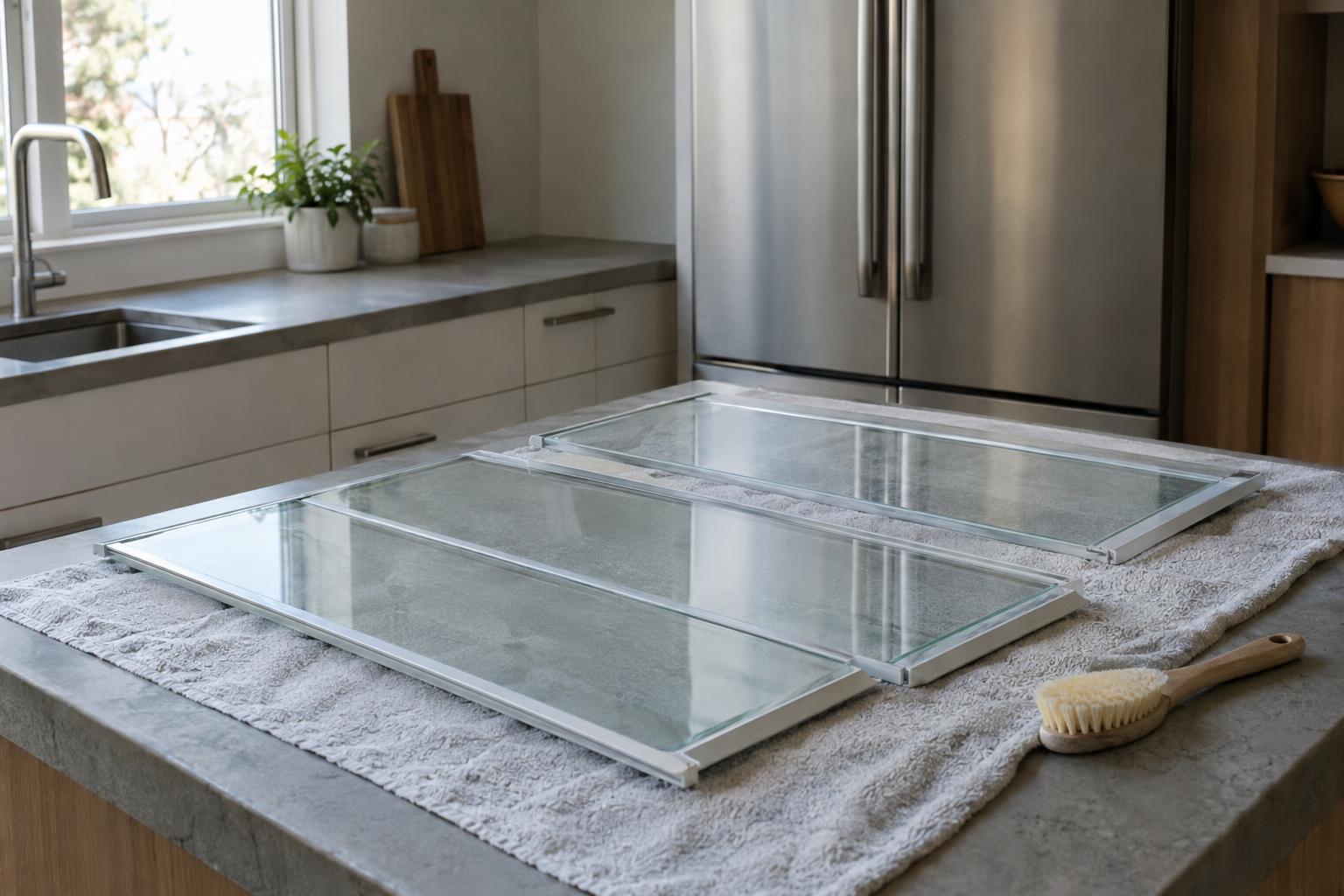
Slide out removable shelves, bins, and drawers. Let glass shelves come to room temperature before washing them in warm water, because a sudden temperature change can crack cold glass. Wash the parts by hand with mild soap and warm water, rinse, and dry them, unless the manual says they are dishwasher safe.
Use the soft brush on edges, grooves, and the lip where a shelf meets its frame. While the parts dry, you can wipe the inside walls without them in the way. Keep the parts in order if the layout is adjustable so they go back where they belong.
Wipe the Interior Walls, Gaskets, and Corners
Mix a small amount of mild dish soap into warm water and wring a cloth until it is damp, not dripping. Wipe from the top down, so drips fall onto areas you have not cleaned yet. Pay attention to corners, the drain channel at the back, and the spots where liquids tend to leak.
Clean the door gaskets, the rubber seals around the door, with a soft brush and a damp cloth. Crumbs and residue collect in the folds. Wipe the seal gently and dry it, because a clean, flexible gasket helps the door close properly. Rinse with a cloth dampened in plain water and finish with a dry towel. Do not mix cleaning products, and avoid strong chemicals on interior plastics.
Deal With Odors Without Harsh Products
Lingering smells usually come from a forgotten item, a spill in a hidden spot, or a clogged drain channel. Find and remove the source first. A cloth dampened with a baking soda and water solution can help with mild odors on interior surfaces. Rinse and dry afterward.
An open box of baking soda on a shelf can absorb light smells, though it is not a substitute for cleaning. Strongly scented sprays only cover the issue and can transfer flavors to food. If a smell returns quickly, check the drain area and the seals again. Persistent odor with a warm interior can point to an appliance problem that a technician should check.
Clean the Outside, Handles, and Front Panel
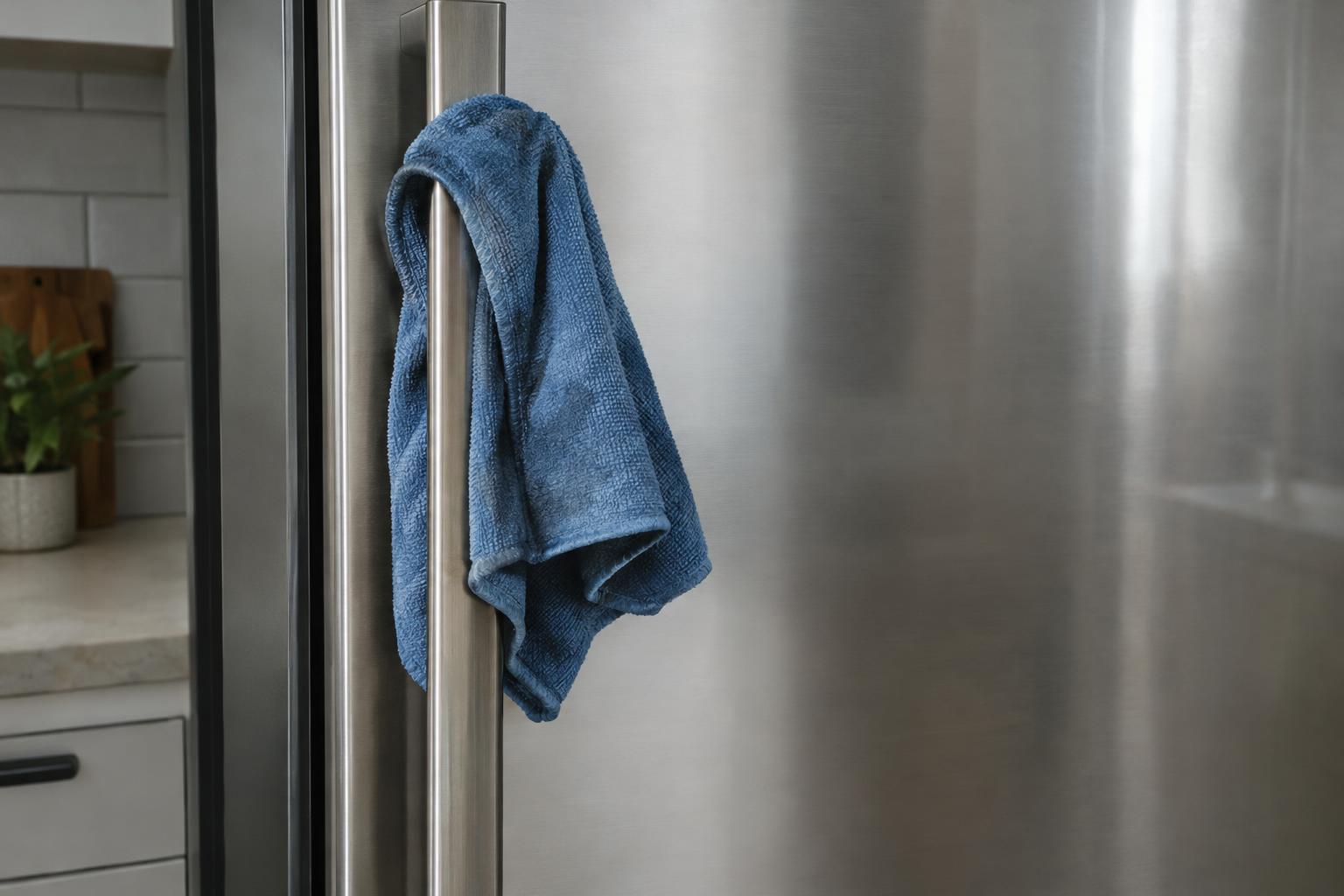
The exterior needs a method that suits the finish. Painted or white surfaces usually handle a damp microfiber cloth with mild soap. Stainless steel looks best when you wipe along the grain, then dry with a clean cloth, as wiping against the grain can leave streaks. Avoid abrasive pads and harsh cleaners that scratch or dull the finish.
Handles and the control panel collect the most fingerprints. Dampen the cloth lightly and avoid spraying liquid directly onto the display or buttons, since moisture can seep into controls. Wipe the top of the unit and the sides if they are accessible, and the gap between the refrigerator and cabinets as far as a cloth will reach.
Look at the Coils, Floor, and Water Dispenser Areas
Dust behind or beneath the refrigerator makes the appliance work harder. If the manual shows how to reach the coils, vacuum the dust gently with a brush attachment. Unplug the unit first and make sure the cord and any water line are not strained when you move it. If you are unsure, leave coil work to a technician.
Wipe the floor under the front grille and clean the drip tray if the model has one. If there is a water or ice dispenser, wipe the nozzle and tray with a damp cloth and follow the manual for filter changes. Spills and mineral spots collect here, particularly in areas with hard water.
Reload and Build a Quick Routine
Once everything is dry, return the shelves and drawers, then restock the food, placing older items in front. Check that the temperature setting matches what the manufacturer recommends. A small label or a note on the door with a monthly reminder helps the habit stick.
A short weekly check, removing expired food and wiping spills right away, prevents most buildup. A full clean every few months suits many households, with more frequent attention in homes with children, heavy cooking, or a lot of fresh produce. If you would like to ask whether appliance cleaning can be scoped, raise it when you request an estimate.
When Professional Help Fits
Some homeowners prefer to hand off appliance detail work, especially before a move or after a busy season. Whether appliance interiors are part of a visit depends on the service and the scope agreed in advance, so ask rather than assume.
3D Cleaning offers residential cleaning in Cape Coral and Fort Myers, with supporting coverage in Punta Gorda. Use the estimate form to describe the home and your priorities so the scope can be confirmed before you schedule. Keep this guide handy the next time you clean your refrigerator inside and out, and call 3D Cleaning at (239) 919-4665 to ask what a visit covers.
Frequently Asked Questions About Cleaning a Refrigerator
How often should I deep clean my refrigerator?
Many households do a full clean every few months and wipe spills right away. Homes with heavy cooking may want to do it more often.
Can I wash glass shelves in hot water?
Let cold glass warm to room temperature first, since a sudden change can crack it. Then use warm water and mild soap.
What should I use on a stainless steel finish?
A damp microfiber cloth with mild soap, wiped along the grain and then dried. Avoid abrasive pads and harsh cleaners.
Do I need to unplug the refrigerator to clean it?
Not for the inside, but unplug it before cleaning coils or moving the unit, and follow the manual.
To ask what can be scoped for a home plan, contact 3D Cleaning through its estimate form. The team serves Cape Coral and Fort Myers, with supporting coverage in Punta Gorda. Mention the rooms, the kitchen priorities, and how often you would like service so the conversation can start with the right details.