
Baseboards and door frames sit at the edges of every room, and they quietly collect dust, scuffs, and smudges that the rest of a cleaning routine tends to skip. A clean edge makes a freshly vacuumed floor look finished, while a dusty one can make the whole room feel overlooked. The good news is that this job needs no special equipment and rarely takes long once you have a method. This guide explains how to clean baseboards and door frames safely, in what order to work, and when a mark is better left alone, so homeowners in Cape Coral and Fort Myers can keep trim looking tidy without damaging the finish.
Check the Finish Before You Pick a Cleaner
Trim is painted, stained, or sealed in several different ways, and the finish decides how much moisture and scrubbing it can take. Glossy and semi-gloss paint generally tolerates a damp cloth well. Flat or matte paint marks more easily and can show a shiny patch if you rub hard. Natural or stained wood needs a lighter hand still, because water left on the surface can dull the finish or raise the grain.
Test any cleaner on a small, out-of-the-way spot first, such as the lower corner behind a door. Wait until it dries and look at it in daylight. If the color lifts onto your cloth or the sheen changes, switch to plain water and a softer cloth. When you are unsure what the finish is, start with the gentlest method and only move up if it does not work.
Start With Dry Dust Removal
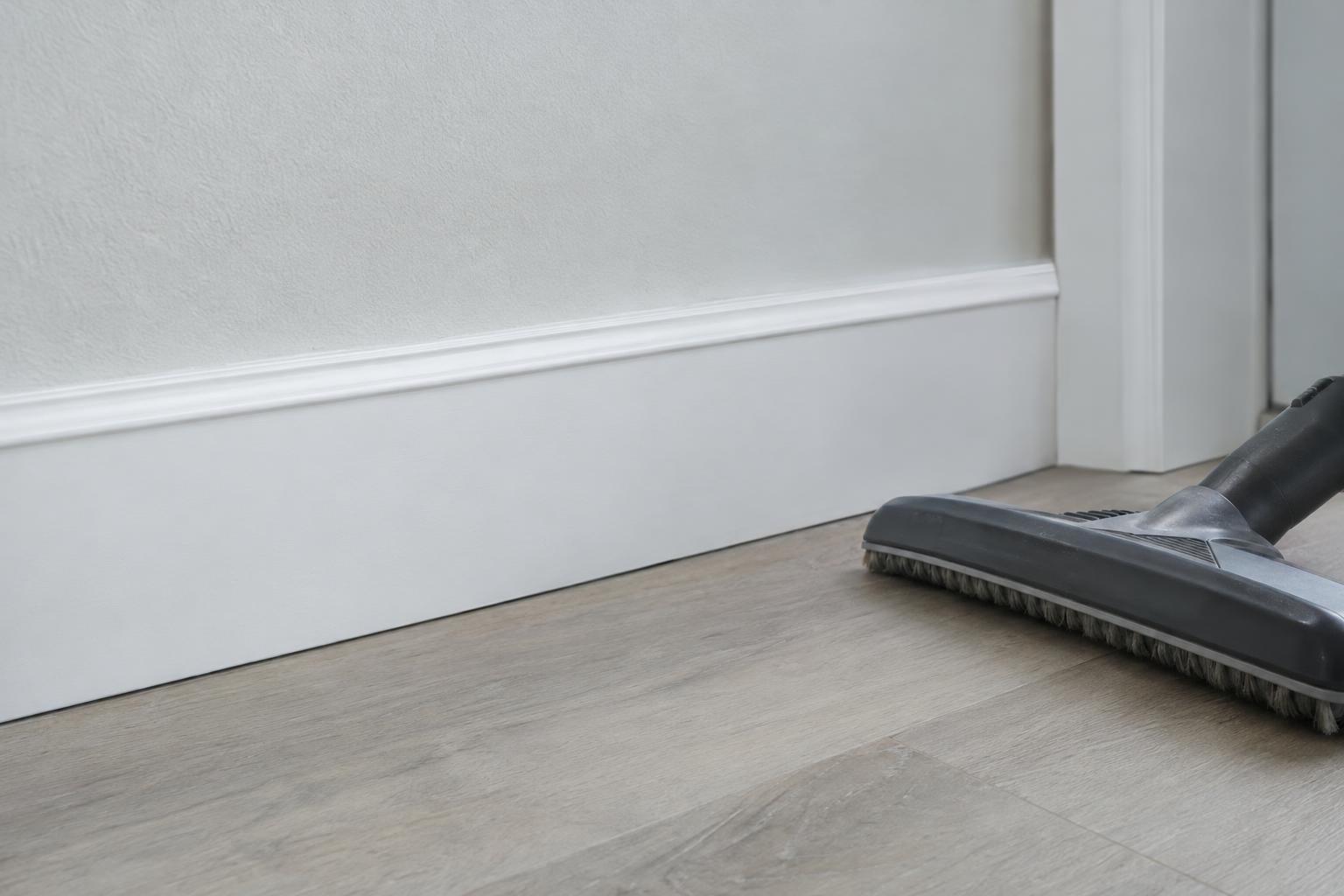
Dust is the main reason baseboards look dingy, and wiping a dusty surface with a wet cloth just turns it into streaky mud. Begin by removing the loose layer. A vacuum with a soft brush attachment works well along the top edge and in the small groove where the baseboard meets the wall. A dry microfiber cloth or a long-handled duster can handle the rest.
Work from the top of the door frame down to the floor, and from one end of the room to the other. Dust falls as you work, so cleaning high areas first means you will not have to repeat the low ones. Pay attention to the top ledge of door casings, where dust settles in a flat line that is easy to miss from standing height.
Wipe Down With a Lightly Damp Cloth
Once the loose dust is gone, use a clean microfiber cloth that is damp rather than wet. Wring it out well, so no water runs down the wall or pools at the floor line. A small amount of mild dish soap in warm water is enough for ordinary grime. Wipe in long, even strokes along the length of the trim rather than scrubbing in circles, which can leave visible swirl marks on some paints.
Rinse the cloth often, or switch to a fresh one when it picks up color. Follow with a second cloth that is only slightly damp to remove soap residue, then dry the surface with a soft towel. Leftover soap attracts new dust, so the rinse step helps the trim stay clean longer. Do not mix cleaning products, and keep the room ventilated while you work. If you prefer to compare products, the EPA’s Safer Choice program lists cleaning products that have been reviewed against its ingredient standards.
Handle Scuffs, Marks, and Stubborn Spots Carefully
Shoes, vacuum cleaners, and furniture legs leave black or gray scuffs along the lower edge of the trim. Many of these lift with a soft cloth and a little mild soap solution. For a mark that will not budge, a melamine sponge can work on some durable painted surfaces, but it acts like very fine sandpaper and can dull the paint, so test it in a hidden spot and use light pressure.
Never scrub hard at one spot. If paint starts to come off on the cloth, stop. Rubbing through the finish creates a patch that looks worse than the original scuff, and the fix is usually a small touch-up with matching paint. Keep a note of the paint name and finish for each room so a touch-up is easy later.
Look After the Corners, Grooves, and Door Hardware Areas
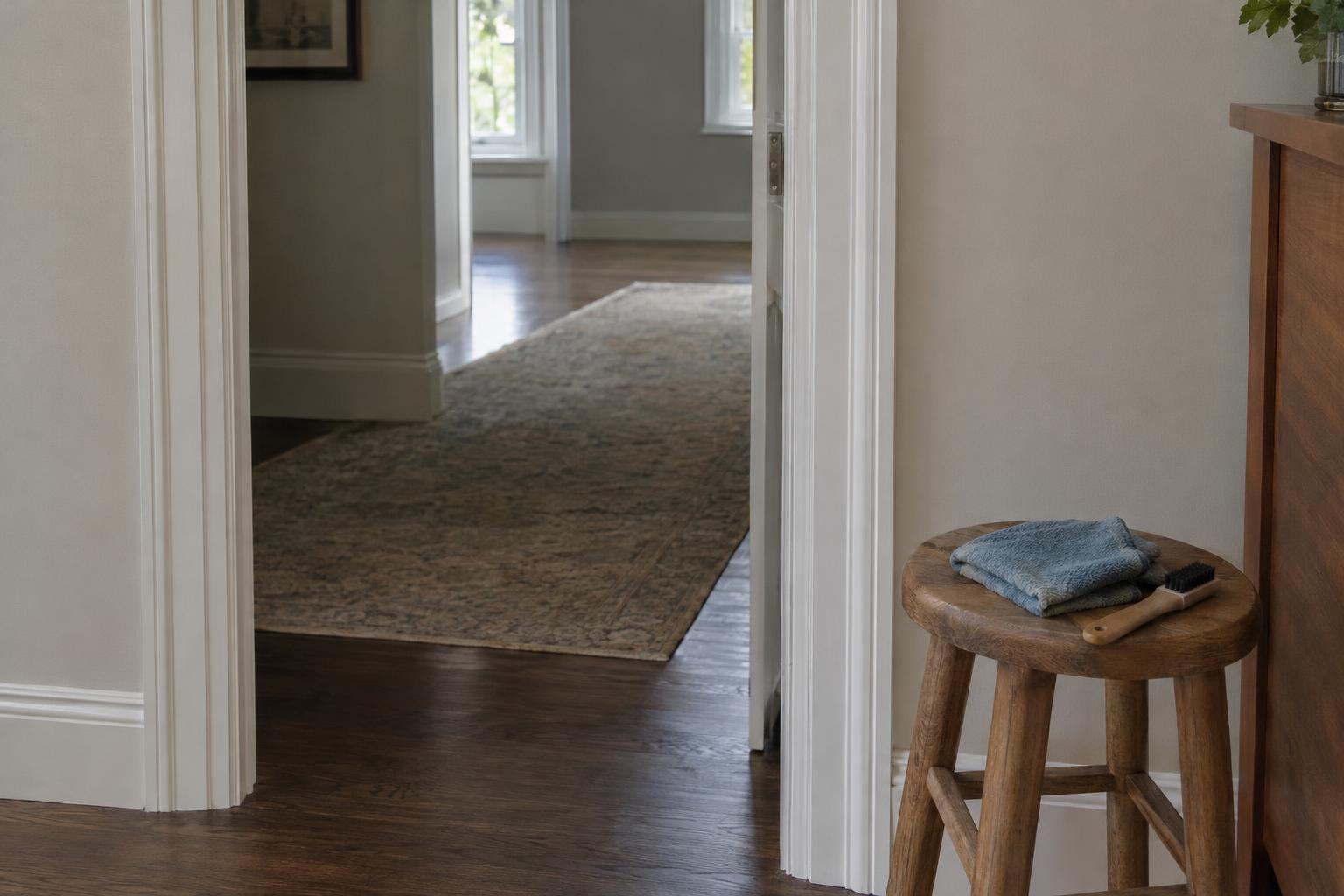
Door frames have details that a flat wipe misses. Casing profiles have grooves that hold dust, and the area around hinges and strike plates collects fingerprints. A soft toothbrush or a small detail brush can reach into profile grooves. Use it dry first, then follow with a damp cloth wrapped around a finger for the last pass.
Be careful around hinges and latches. Wipe the hardware with a barely damp cloth and dry it right away, so moisture does not sit in metal parts. Handle the lower few inches of the frame with extra care, since that area takes the most contact from shoes, pets, and cleaning tools.
Protect the Floor and Walls While You Work
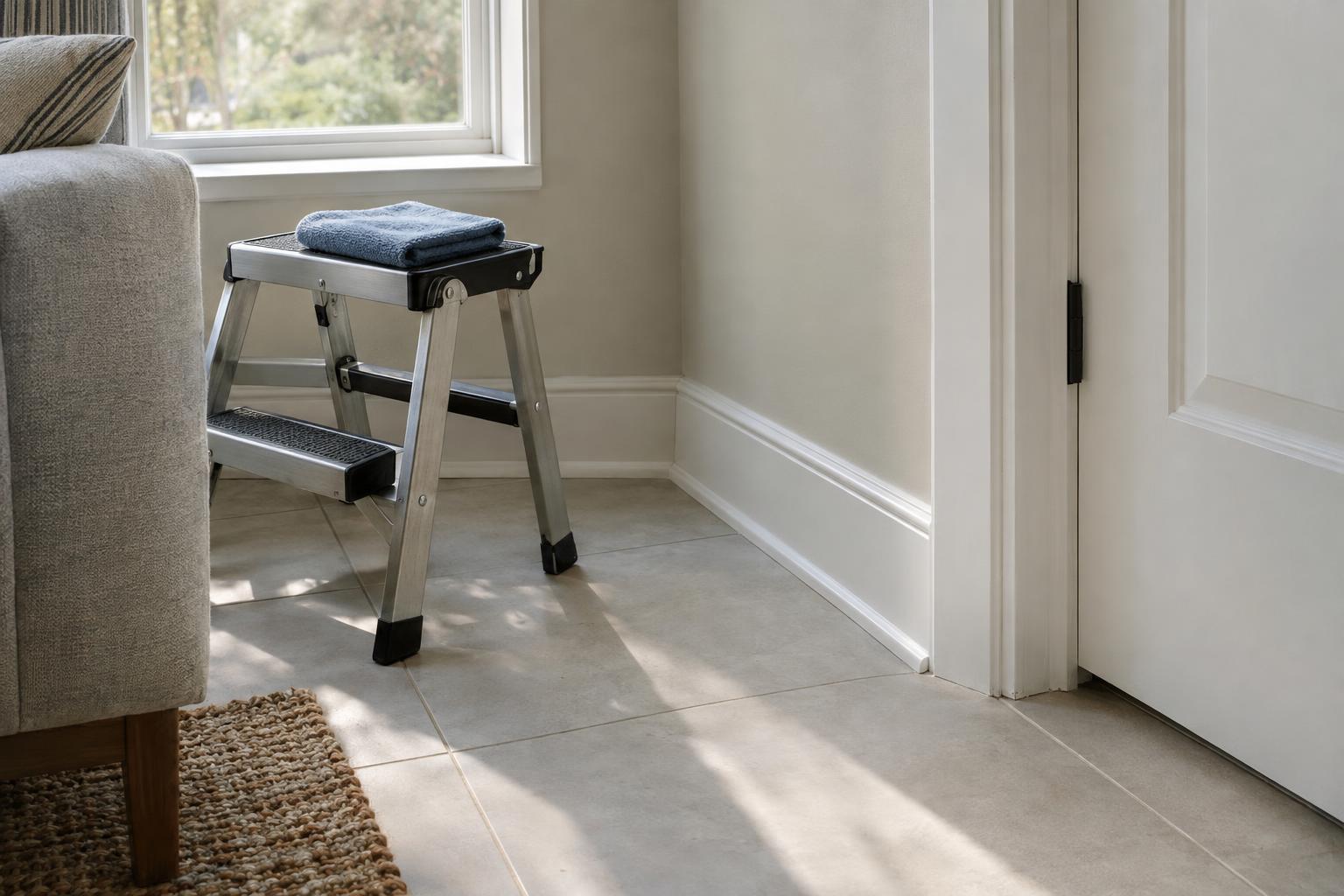
Baseboard cleaning puts you right next to hardwood, laminate, tile, or carpet, and a drip can mark any of them. Lay a dry towel along the floor where you are working, and keep a second towel in your hand to catch drops before they land. On carpet, take care that the cleaner does not soak into the edge, since damp carpet at the wall line is slow to dry.
Wipe the wall just above the baseboard only if it needs it, and use the same gentle approach. Painted walls often show cleaning marks more readily than trim. If the wall paint is flat, a light dry dusting is usually the safest option. Open a window or run a fan if you have been using any scented product, and let everything dry before moving furniture back.
Build a Simple Routine So the Job Stays Small
The easiest baseboard job is the one you do often. A quick pass with a dry duster or vacuum brush every week or two keeps buildup from turning into a stubborn film. Add a damp wipe every month or so in busy rooms such as the kitchen, entry, and hallways, and a seasonal check of the rest of the house.
Florida homes bring their own conditions. Open windows, sand and grit carried in from outside, and humid air can all leave a visible film on trim, so entries and rooms by sliding doors may need attention sooner than bedrooms. If you notice dark spots that reappear in a damp corner, treat that as a moisture question and not just a cleaning one.
When Professional Help Fits
Some households prefer to hand off detail work like trim, particularly before a move, after a busy season, or when the whole house needs a reset. Whether baseboards are part of a cleaning visit depends on the service and the scope agreed in advance, so it is worth asking rather than assuming.
3D Cleaning offers residential cleaning in Cape Coral and Fort Myers, with supporting coverage in Punta Gorda. If you would like help with detail areas like trim, describe the rooms and your priorities on the estimate form so the scope can be confirmed before you schedule.
Frequently Asked Questions About Cleaning Baseboards and Door Frames
How often should baseboards be cleaned?
A light dusting every week or two and a damp wipe about once a month works for most homes. Busy entries and kitchens may need attention sooner.
Can I use a household cleaner on painted trim?
Often a mild dish soap solution is enough. Test any product in a hidden spot first, and avoid harsh scrubbing on flat or matte paint.
What is the best way to avoid streaks?
Remove dry dust first, use a damp rather than wet cloth, and wipe along the length of the trim. Finish with a nearly dry cloth to take up soap residue.
Should I clean baseboards before or after mopping?
Clean the trim first, because dust and drips fall to the floor. Then vacuum and mop so the floor catches everything you loosened.
To talk through trim and detail cleaning as part of a home plan, contact 3D Cleaning through its estimate form. The team serves Cape Coral and Fort Myers, with supporting coverage in Punta Gorda. Mention the rooms, the type of finish on your trim, and how often you would like service so the conversation can start with the right details.