


Warm weather and damp air make mildew a familiar bathroom problem in Southwest Florida. A shower that never fully dries, a window that stays closed, or a towel left in a heap can all give mildew a place to start. The good news is that most prevention comes down to moisture control and a short, repeatable routine rather than occasional heavy scrubbing. This guide explains how to prevent bathroom mildew by drying surfaces, improving airflow, and cleaning the spots where moisture collects, with surface-safe habits that fit a busy household.
Understand Why Bathrooms Stay Damp
Mildew needs moisture, a surface to settle on, and time. Bathrooms supply all three. A hot shower fills the room with water vapor, and that moisture lands on tile, grout, shower curtains, paint, and the underside of fixtures. In a humid climate the air outside offers little help, so the room can stay damp long after the shower is over. Seeing where water lingers is the first practical step in prevention, and the EPA’s guide to mold, moisture and your home explains why controlling moisture is the key to keeping mold and mildew from growing indoors.
Walk through the bathroom after a typical shower and notice where droplets remain. Common spots include the lower edge of a shower curtain, the corners of a glass enclosure, the seam where a tub meets the wall, the base of a faucet, and the area behind the toilet. Look at the ceiling above the shower and at the wall opposite it too. If a spot is still wet an hour later, it is a good candidate for extra attention in your routine.
Run the Fan Long Enough to Matter
An exhaust fan only helps when it runs long enough to move the humid air out. Many households switch it off as soon as they leave the bathroom, which stops the airflow before the room has dried. Consider leaving it on for a while after the shower, using a timer switch if one is installed. If the fan seems weak, hold a single square of tissue near the grille; a fan that cannot hold it in place may be clogged with dust or may need attention from a qualified electrician or maintenance professional.
Wipe the visible fan cover occasionally with a dry or lightly damp cloth while the fan is off. Do not take apart electrical parts unless you know how to do so safely. If a bathroom has no fan, opening a window or door after the shower can help, as long as outdoor air is not simply adding more humidity. The goal is moving damp air out rather than letting it settle on cool surfaces.
Dry the Surfaces That Hold Water
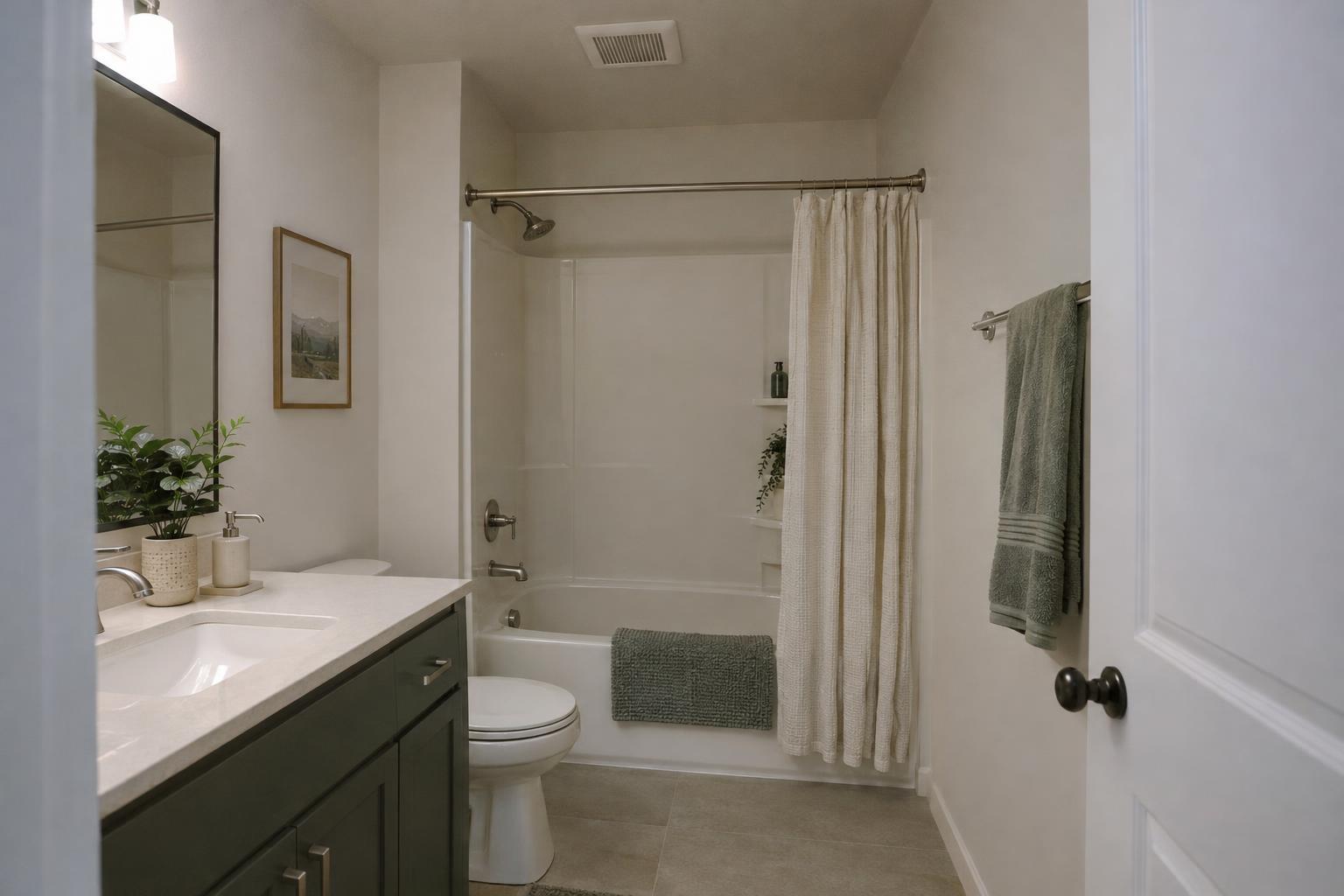
A quick wipe after a shower removes most of the water that mildew would use. A squeegee on glass and tile, or a clean microfiber cloth on counters and fixtures, takes less than a minute. Start at the top of the enclosure and work down so water does not run over surfaces you have already dried. Pay attention to corners and the bottom track of a shower door, where water collects and stays.
Keep a small cloth or squeegee in the bathroom so the habit is easy. Launder cloths regularly, because a damp cloth left in a ball can hold odor and moisture of its own. Hang towels so they can dry fully instead of leaving them on the floor or over a closed door. A bath mat that stays wet for a day can hold dampness against the floor, so lift it and let it dry between uses.
Clean Grout, Caulk, and Corners on a Schedule
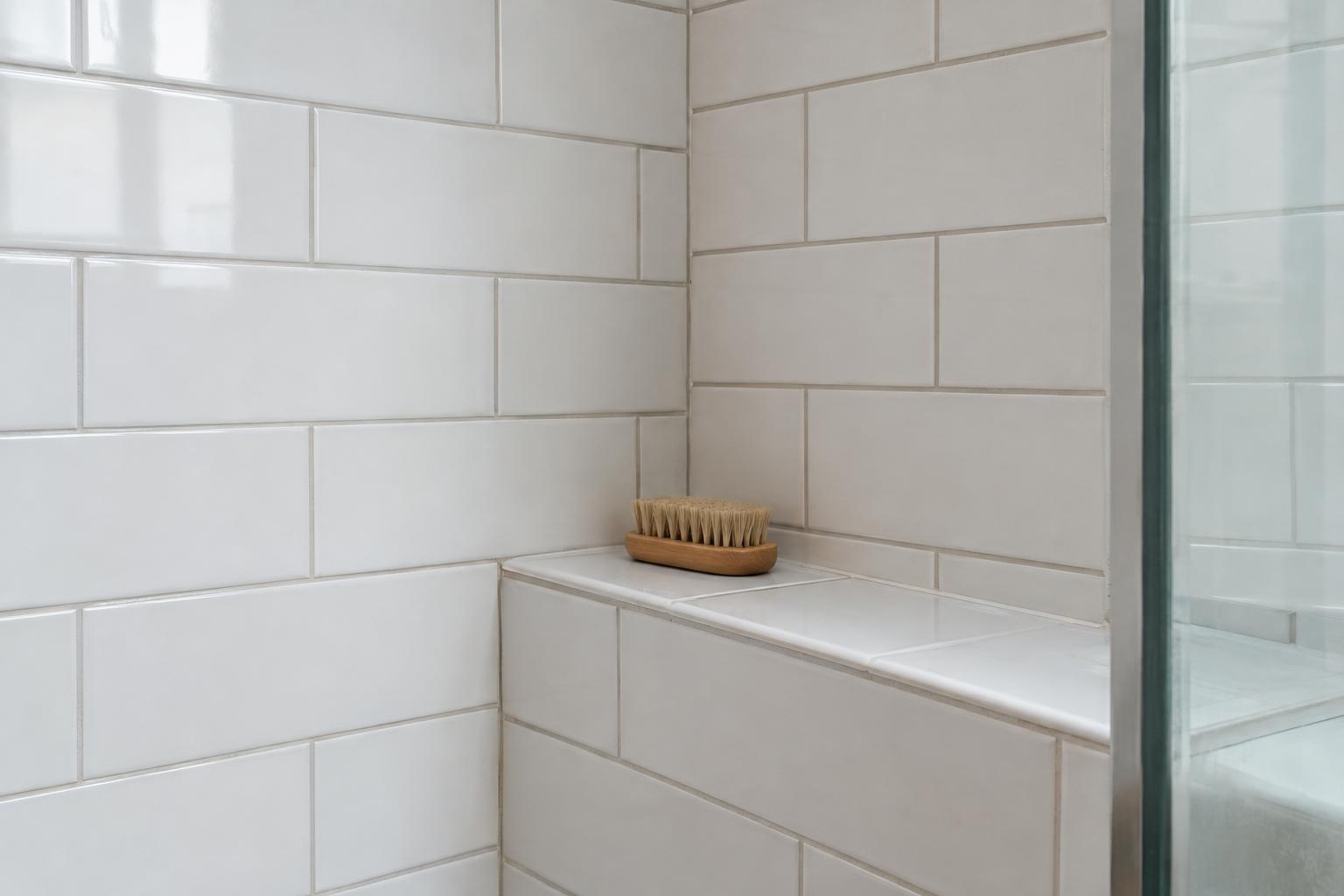
Grout lines and caulk seams hold water in tiny gaps, so they often show the first dark spots. A soft brush and a cleaner that is appropriate for the surface can lift early buildup before it spreads. Read the product label and any care instructions for the tile, stone, or fixture first. Natural stone and some finishes can be damaged by cleaners that work well on ordinary ceramic tile.
Never mix cleaning products, and do not combine bleach with ammonia or acidic cleaners, because mixing can release hazardous fumes. Ventilate the room while you work. Rinse thoroughly and dry the area when you finish. If caulk is cracked, peeling, or dark all the way through, cleaning on the surface may not fix it. That kind of damage generally calls for resealing or replacement by someone who handles bathroom repair.
Manage Curtains, Mats, and Fabric
Soft items stay damp longer than hard ones. A shower curtain liner can develop spots along the hem where it hangs against the tub. Check the care label; many liners can be laundered or replaced when they are past cleaning. Spread the curtain out after a shower so it dries instead of bunching against the wall, and keep it clear of the tub floor.
Fabric bath mats, hand towels, and hampers deserve the same attention. Wash bath mats on a regular schedule and dry them completely. Avoid keeping damp laundry in a closed basket inside the bathroom. If a hamper sits in the room, choose one with airflow and empty it often. Small changes like these reduce the number of damp surfaces the room has to dry on its own.
Watch the Ceiling, Walls, and Hidden Areas
Dark spots on a ceiling or high wall usually mean the room is not exhausting moisture well. Wipe light surface spots gently with a cloth and a cleaner suited to painted surfaces, then dry the area. Do not saturate drywall or push water into seams. If a spot returns quickly, spreads, or sits on a surface that feels soft or swollen, there may be a leak or a ventilation problem that cleaning alone will not solve.
Check under the sink, around the base of the toilet, and along the tub edge for slow drips or wet cabinet floors. A small leak can keep an area damp for weeks. When you find moisture with no obvious source, stop treating it as a cleaning problem and ask a qualified plumber or maintenance professional to look at it. Fixing the water source is the most reliable way to prevent a recurring spot.
Build a Simple Weekly Routine
A routine works when it is short enough to keep. After each shower, run the fan, squeegee or wipe the wet surfaces, and spread the curtain. Once a week, wipe the counters and fixtures, clean the shower floor and corners, check the grout and caulk lines, and wash the bath mat. Once a month, look at the ceiling, the fan cover, and the area under the sink.
Write the tasks on a small card or phone note if several people share the bathroom. Assign the quick post-shower steps to whoever showers and the weekly tasks to one person. If travel or a busy schedule means the bathroom sits unused for days, open the door and run the fan for a short while when you return. Occasional gaps are normal; a routine just needs to be easy to restart.
Know When Professional Help Fits
Some households prefer to have help with deeper bathroom cleaning, especially when time is short or the room has a lot of tile and glass. A residential cleaning plan may include shower enclosures, fixtures, floors, and other bathroom surfaces, depending on the scope agreed with the provider. Homeowners should still handle daily drying and ventilation themselves, because those habits keep the room from becoming damp between visits.
3D Cleaning provides residential cleaning for homes in Cape Coral and Fort Myers, with supporting coverage in Punta Gorda. If you want help with bathrooms as part of a regular plan, use the estimate form to describe the home, the number of bathrooms, and any surfaces that need special care. Mention any known leaks or repairs so expectations are clear before service begins.
Frequently Asked Questions About Preventing Bathroom Mildew
Why does mildew come back so quickly in a Florida bathroom?
Humid air and slow drying let moisture linger on surfaces. Without ventilation and regular drying, mildew can return soon after cleaning.
Is it enough to clean only when I see dark spots?
Waiting for visible spots means moisture has probably been present for a while. Short routine drying and ventilation help prevent spots before they appear.
Can I use one cleaner for every bathroom surface?
No. Tile, stone, glass, painted walls, and fixtures can need different products. Follow each label and the surface maker’s care instructions, and never mix cleaners.
When is mildew a sign of something bigger?
Spots that return fast, spread, or appear with soft walls, stains, or a musty smell can point to a leak or ventilation problem. Have a qualified professional inspect the source.
To talk through bathroom cleaning as part of a home plan, contact 3D Cleaning through its estimate form. The team serves Cape Coral and Fort Myers, with supporting coverage in Punta Gorda. Include the number of bathrooms, the main surfaces involved, and how often you would like service so the conversation can start with the right details.