
Window glass may look clear while the screen and track still hold dust, pollen, and outdoor debris. Learning how to clean window screens and tracks gives homeowners a practical way to maintain the parts that collect buildup around the glass. The right process depends on whether the screen can be removed, what the frame is made from, and whether the window manufacturer provides special care instructions. Start with dry removal, use only a gentle rinse or cloth when suitable, and give every part time to dry before reinstalling. This guide covers a cautious homeowner routine and when to leave the whole window to a professional service.
Identify the Screen and Window Before You Start
Begin by checking how the screen attaches to the window. Some screens lift out with spring tabs; others use clips or fasteners. If the mechanism is unclear, consult the window or screen manufacturer’s directions instead of forcing it. A bent frame can be difficult to reinstall, and a screen that drops from an upper floor can create a hazard. Work from a stable position, keep the screen supported, and do not lean outside the window opening. If removal would require a ladder or awkward reach, clean what can be reached safely or arrange help.
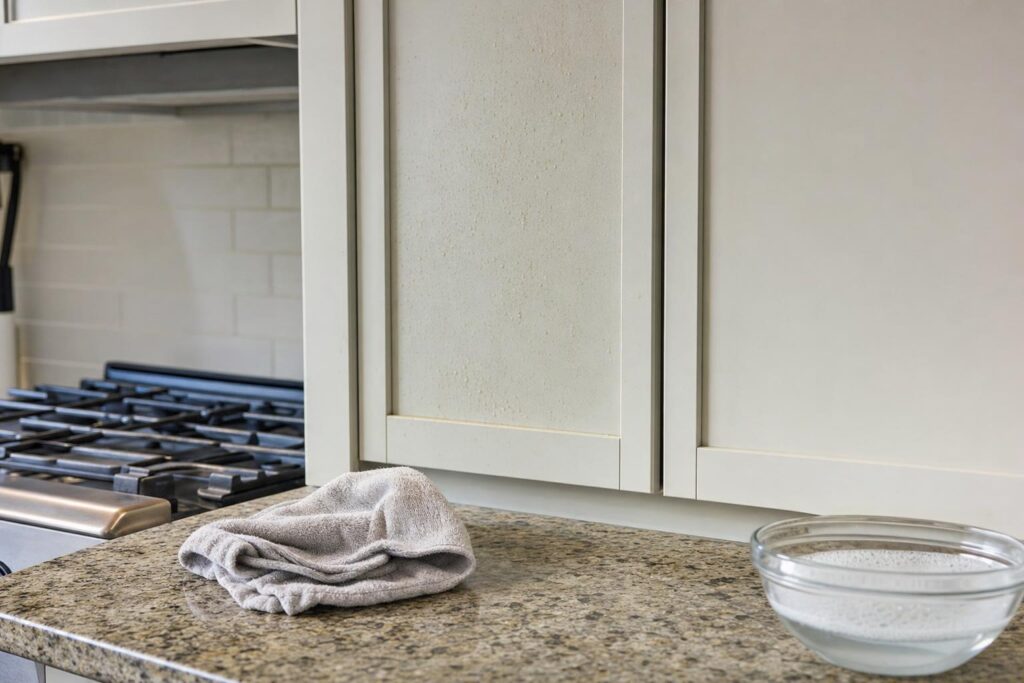
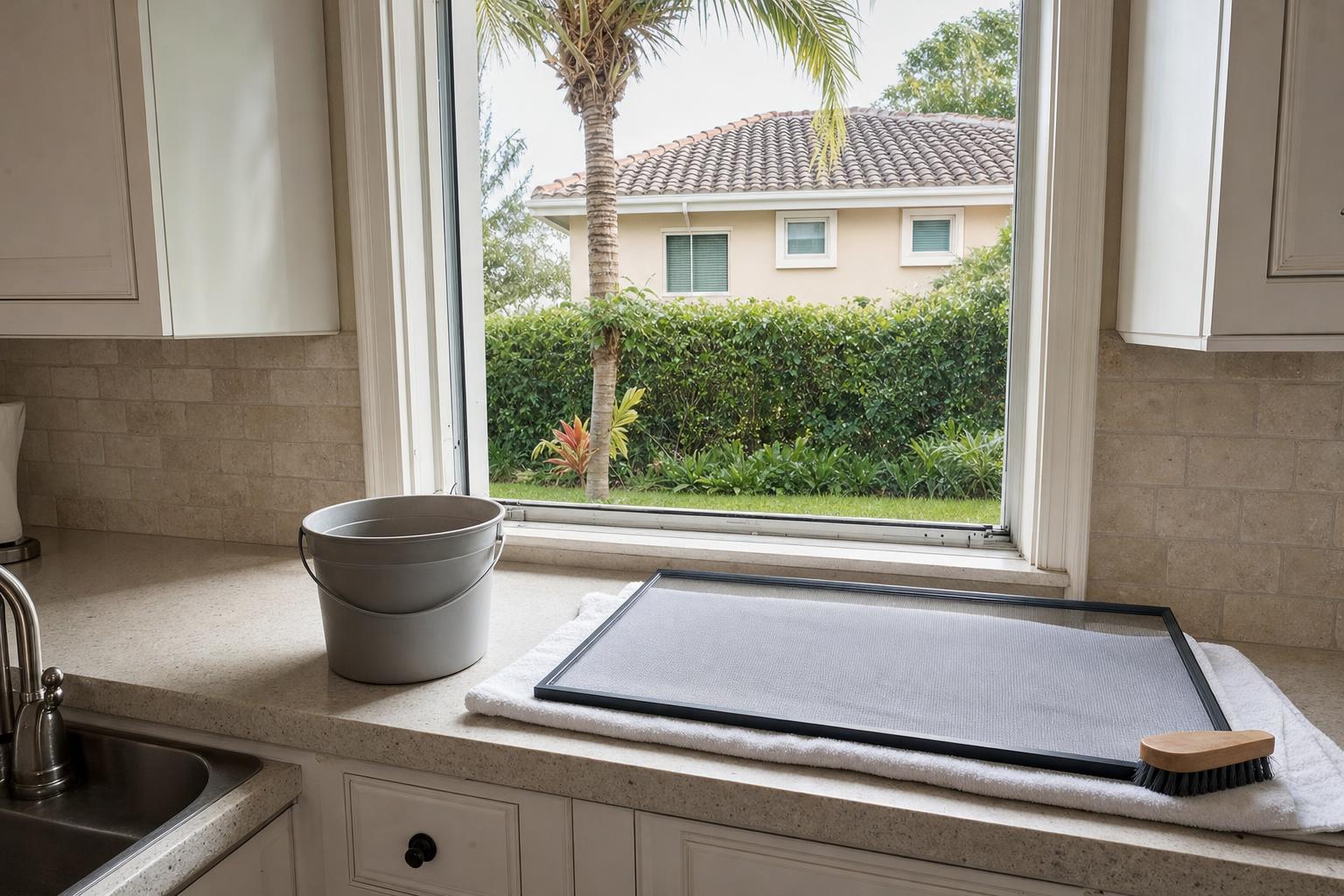
Choose a shaded, level place where a removed screen can rest on a clean towel. The towel protects the frame from scratches and keeps the mesh from pressing against grit on a patio surface. Gather a soft brush, a clean cloth, and a small container of water before starting. Avoid stiff bristles, abrasive pads, or a powerful spray until the screen’s care instructions confirm they are appropriate. Fiberglass, aluminum, and specialty mesh can react differently to pressure or scrubbing, so gentle is the sensible default.
Remove Loose Dirt Before Adding Moisture
With the screen supported, use a soft brush or vacuum attachment on low suction to lift loose dust from the mesh. Work lightly across the surface instead of pressing the tool into the screen. Brushing both sides can help when debris is caught in the weave, but support the frame throughout. If the mesh bows, stop and reduce pressure. A soft brush also helps clear the corners where the mesh meets the frame, but avoid pulling at the spline that holds it in place.
Dry removal matters because wet dust can turn into a film that is harder to lift. It also makes the next step more predictable: you can see which areas remain marked before adding water. If the screen has sticky residue, insect remains, or a coating that does not lift with a gentle brush, check manufacturer guidance before trying a stronger cleaner. Do not mix products or use a solvent simply because it is nearby. A small test on an inconspicuous corner can reveal whether the frame or mesh changes color or texture.
Clean the Mesh with a Light Touch
If the manufacturer allows water, lightly dampen a clean cloth or use a gentle flow of water while the screen remains supported. Work from top to bottom so loosened debris does not run over a cleaned section. Use short, light passes rather than scrubbing back and forth. Keep water away from any window components or nearby electrical outlets, and follow the window manufacturer’s instructions about moisture. A small amount of mild soap may be appropriate for some screens, but confirm compatibility first and rinse away any residue as directed.
After wiping, look across the mesh in daylight to find spots that remain. A second gentle pass is safer than escalating immediately to a hard brush or pressure nozzle. Never use a pressure washer on a screen; the force can stretch or tear the mesh and may bend the frame. If the mesh is loose, torn, or separating from the frame, cleaning will not repair it. Stop and consider a repair or replacement rather than putting more pressure on a weak area. Window designs vary, so Andersen’s screen-cleaning instructions are a useful example of why the maker’s removal and care guidance should come first; follow the instructions for your own window model.
Clear Window Tracks Without Flooding Them
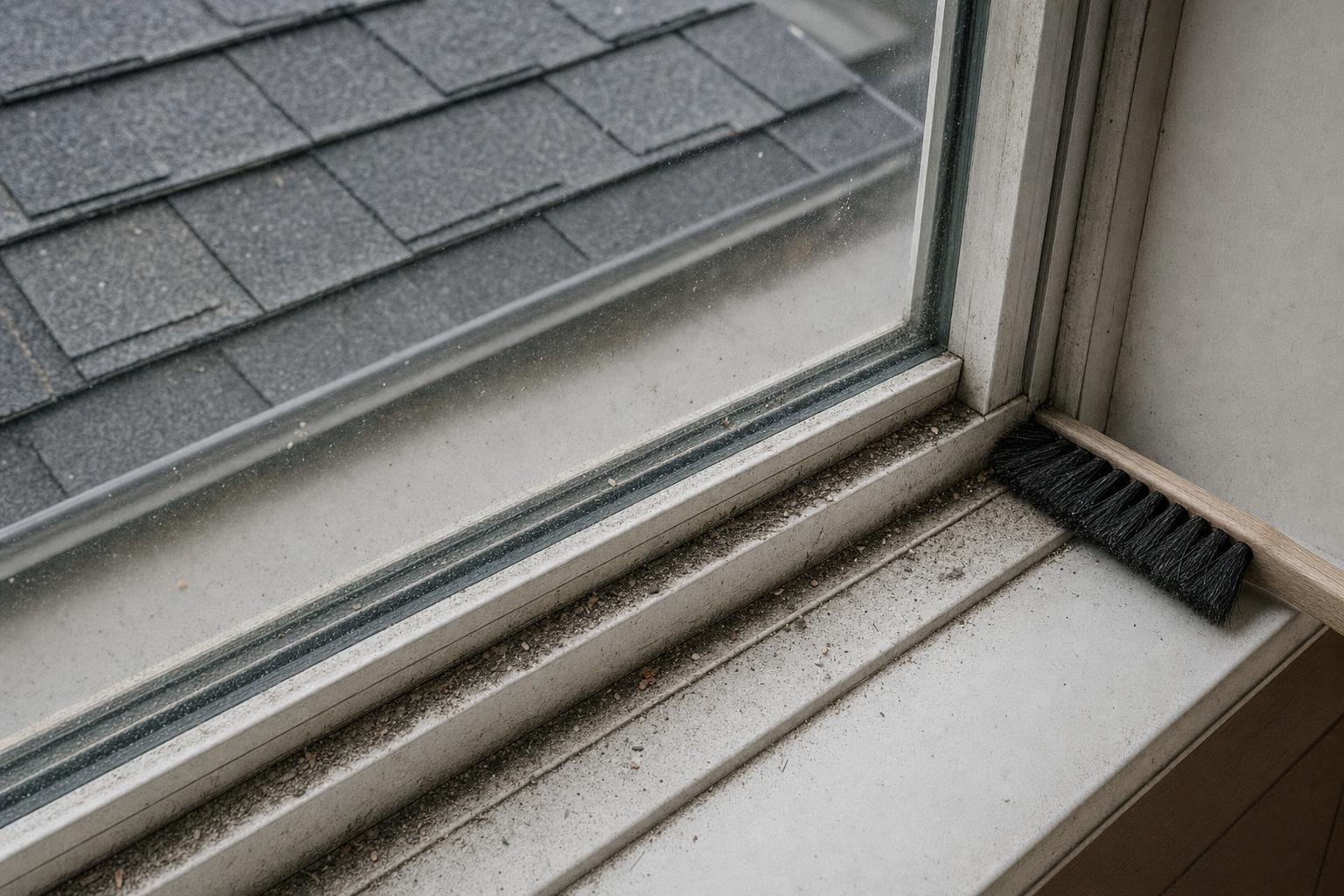
Tracks collect the fine debris that falls from the screen, as well as dust carried indoors. Start with a dry vacuum crevice tool or a soft brush to remove loose material. A small dry paintbrush can reach a corner, but avoid tools that scratch the track or damage weatherstripping. If a track has drainage openings, do not pack debris into them. You can lift visible grit with a folded cloth or cotton swab, then use a barely damp cloth on surfaces that the manufacturer says can be wiped.
Avoid pouring water into the track. Windows may rely on drainage channels that route incidental rainwater outward, and excess water can run where it is not intended. Do not poke a wire or metal object into a drainage opening. If a window is difficult to open, has standing water, or shows damaged seals, this is no longer just a cleaning task. Consult the manufacturer or a qualified window professional about the underlying condition. Keep lubricant off glass and screens unless the maker specifically recommends a product and application point.
Dry, Reinstall, and Check the Result
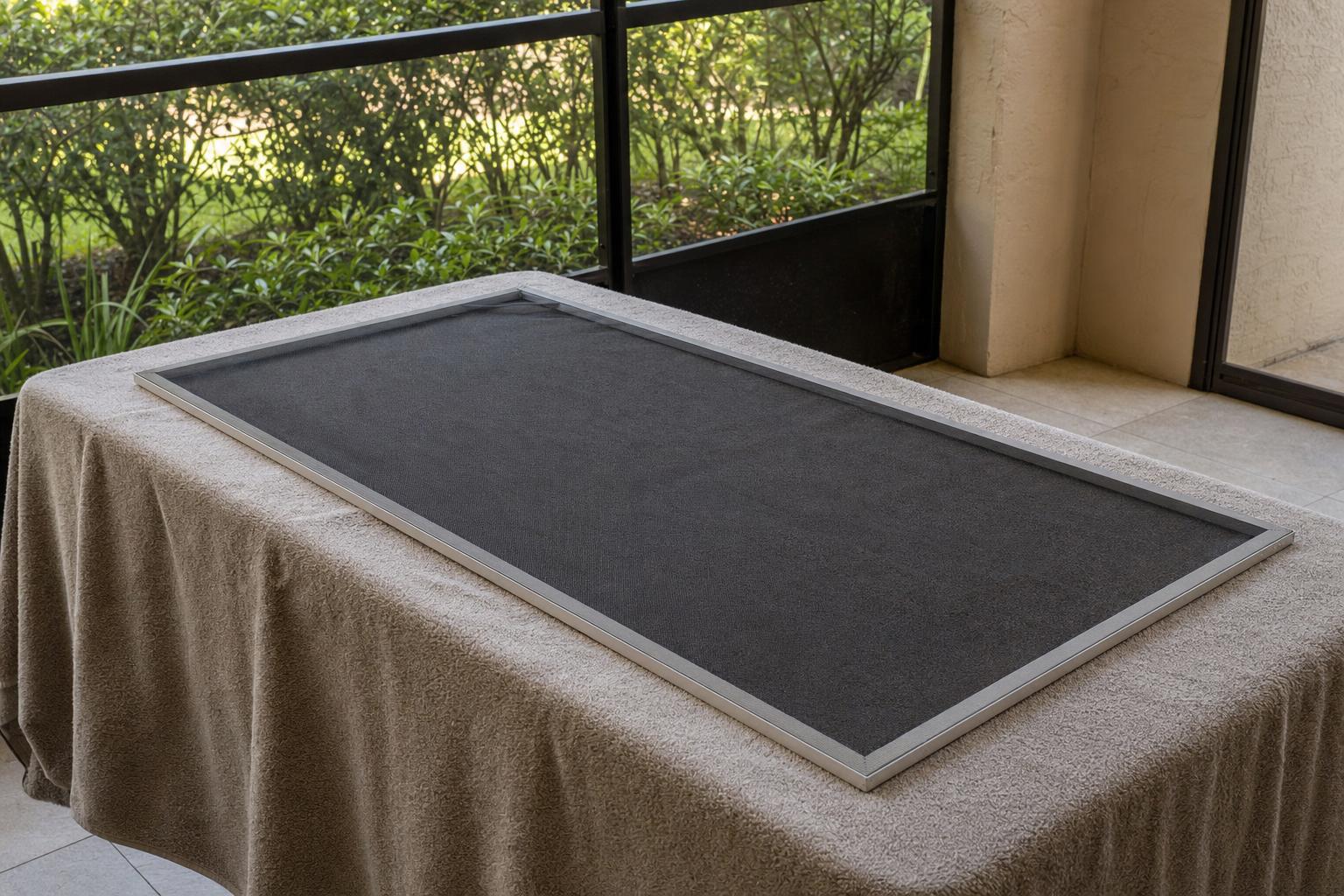
Let the screen dry fully in a shaded, ventilated place before reinstalling it. Direct heat or leaning a wet screen against a rough wall can warp or damage it. While it dries, wipe accessible track surfaces with a dry cloth and check that the window moves smoothly. Reinstall the screen using its original clips or tabs, then test the fit gently from inside. A screen should sit evenly without a bowed edge or loose corner. If the frame will not seat easily, remove it and check the orientation rather than forcing it into place.
Once the screen is back, look at the glass and nearby sill. Drying may leave marks that were hidden before the screen came out; clean those with a glass product approved for the window surface. Keep the product off the screen until it is fully installed and protect nearby finishes from overspray. A small recurring clean is usually easier than trying to remove a season’s worth of outdoor debris in one session. When you plan a whole-home window visit, the company’s professional window cleaning service handles glass as a separate service from this small homeowner maintenance routine.
Frequently Asked Questions About Cleaning Window Screens and Tracks
Can I use a pressure washer on window screens?
No. Strong spray can stretch mesh, damage its attachment, or bend the frame. Use a soft brush or gentle cleaning method permitted by the screen maker.
Do I have to remove the screen to clean it?
Not always. If it is safely reachable, you can remove loose debris with a soft brush in place. Remove it only if the manufacturer’s instructions and the window location make that safe.
What should I use on a dirty window track?
Start with dry brushing or a vacuum attachment, then use a barely damp cloth if the manufacturer permits it. Avoid flooding tracks or poking drainage openings with metal tools.
When should I replace a screen instead of cleaning it?
Cleaning will not repair torn mesh, a bowed frame, or a loose spline. Stop if the screen is damaged and ask a qualified window professional about repair or replacement.
For clear glass and a broader window service, contact 3D Cleaning through the estimate form about service in Cape Coral or Fort Myers.