
The terms “standard cleaning” and “deep cleaning” get used loosely, and that makes it easy to book the wrong one. Understanding what’s actually included in each helps you choose the right visit instead of paying for more than you need, or less than the home actually requires.
What a Standard Cleaning Covers
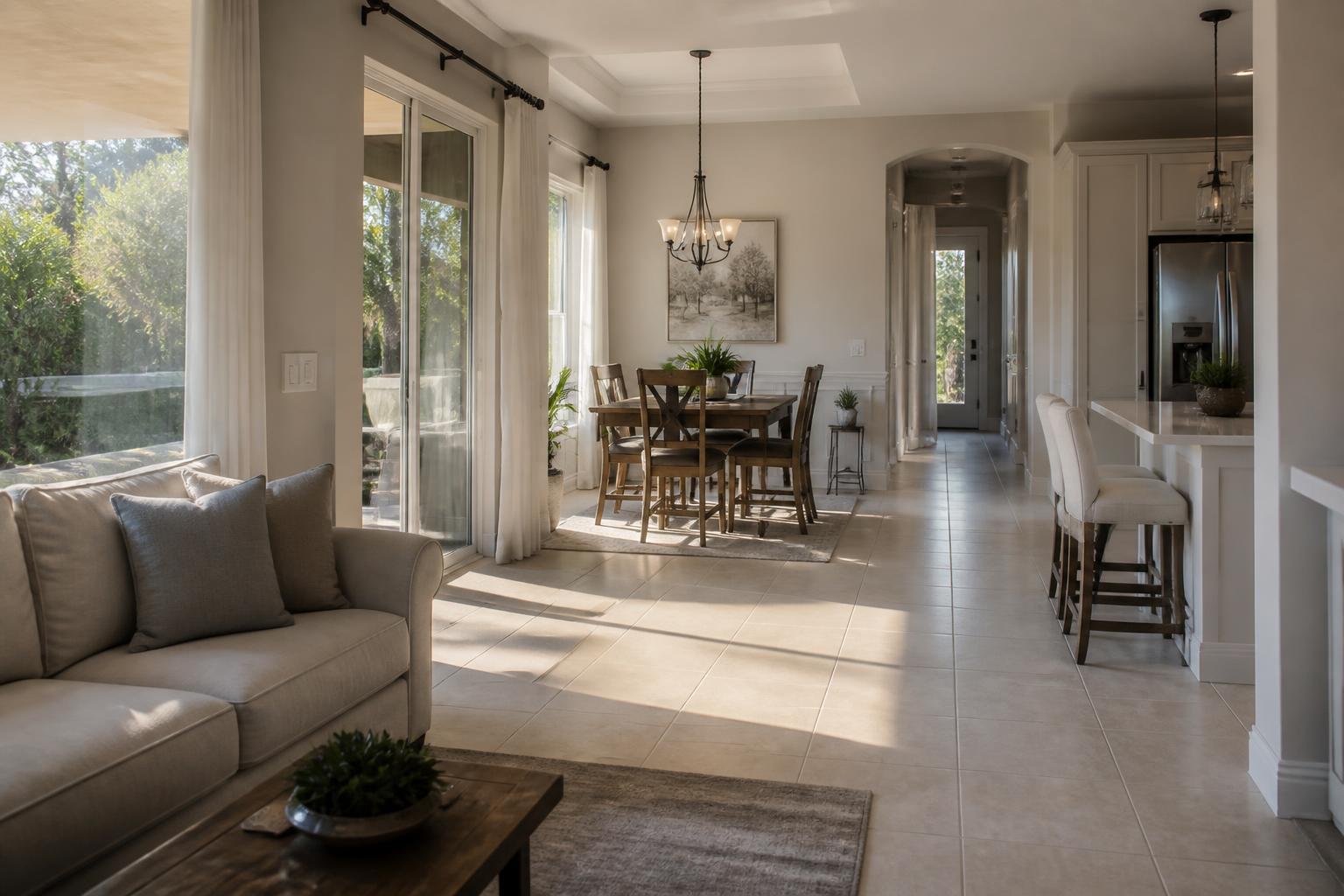
A standard cleaning is a maintenance visit. It’s built around the surfaces and rooms that get dirty fastest: kitchen counters and the sink, bathroom fixtures, floors throughout the home, dusting reachable surfaces, and emptying trash. It assumes the home is already in reasonably good shape and just needs to be kept that way. This is the right choice for a home on a recurring schedule, or for anyone who keeps up with daily tidying and just needs the detail work handled regularly.
What a Deep Cleaning Adds
A deep cleaning starts with everything in a standard visit and goes further into areas that don’t get touched on a normal schedule. That includes baseboards, window sills and tracks, interior cabinet and drawer fronts, behind and under furniture where it’s safe to move, light fixtures, ceiling fan blades, and buildup around appliances. It takes longer because it’s reaching spots that accumulate dust and grime over months, not days, and it resets the home to a baseline that a standard cleaning can then maintain going forward.
When to Book Which Service
A deep cleaning makes sense before a big event, after a renovation or repair project that left dust throughout the home, at the start of a new recurring cleaning relationship, or simply when it’s been a long time since every surface got real attention. A standard cleaning is the right call for ongoing upkeep once that baseline is set, whether that’s weekly, biweekly, or monthly. Booking a standard clean for a home that actually needs a deep clean usually means the visit runs out of time before reaching the buildup that prompted the call in the first place, which is the most common mismatch homeowners run into.
A Simple Way to Decide
If you can’t remember the last time baseboards, window tracks, or the inside of kitchen cabinets were cleaned, that’s a strong sign a deep cleaning should come first. If those areas were handled recently and you just need the everyday surfaces kept up, a standard cleaning is the more efficient choice. When in doubt, describing the home’s current condition to your cleaning provider is the fastest way to get a straight answer on which service fits.
After a Renovation or Repair Project
Renovation and repair work is one of the clearest cases where a deep cleaning, not a standard one, is the right call. Drywall dust in particular travels much further than it looks, settling into cabinet interiors, on top of ceiling fan blades, inside HVAC vents, and along baseboards throughout rooms that weren’t even part of the project. A standard cleaning focused on counters and floors will miss most of that residue, since it’s not designed to reach into the areas where fine dust actually settles. Scheduling a deep clean after painting, flooring work, cabinet installation, or any project that generates dust gives the home an actual clean finish rather than one that still shows faint dust on surfaces within a day or two of the standard visit. For larger renovation projects, it’s often worth waiting until all the work is fully complete before booking the deep clean, rather than cleaning between phases when more dust is still coming.
Add-On Services That Fit Either Visit
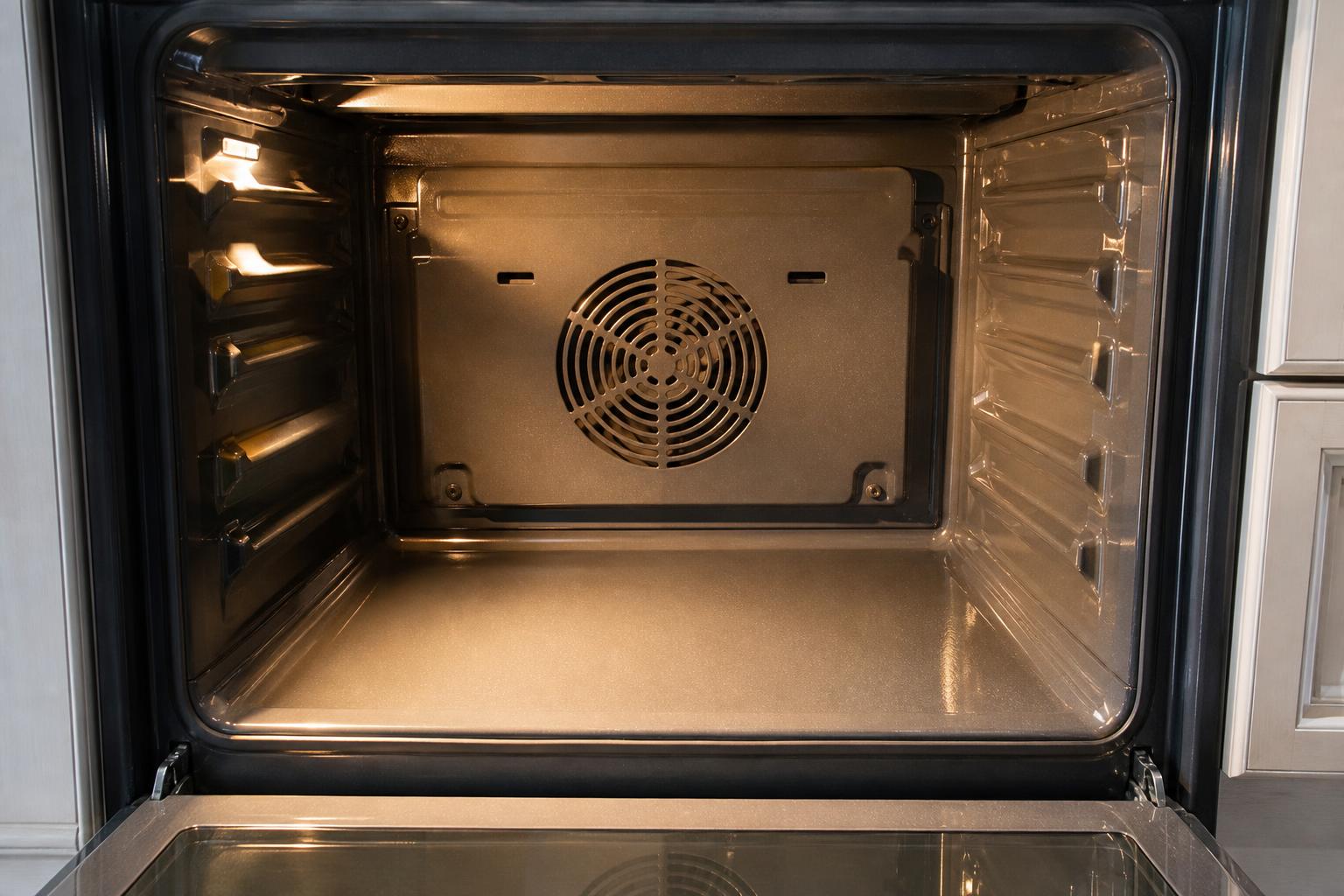
Some tasks don’t fit neatly into either category and are usually offered as add-ons regardless of which service you book. Interior oven cleaning, inside-refrigerator cleaning, interior window cleaning, and inside-cabinet cleaning are common examples: they take extra time on top of a standard visit but don’t necessarily require a full deep clean of the rest of the home. If there’s one specific area that needs more attention than the rest of the house, mentioning it when you book, whether you’re scheduling a standard or a deep cleaning, is usually more efficient than upgrading the entire visit to cover a single problem spot. This is worth asking about directly, since not every provider lists every add-on option upfront.
Whether you are tackling routine upkeep or a deeper clean, the EPA Safer Choice product search is a resource for comparing cleaning products by category. A product’s label and the surface manufacturer’s instructions should guide where and how you use it.
Separate Your Priorities From the Agreed Cleaning Scope
A list of rooms alone does not explain what you want the visit to achieve. Divide your request into the areas that matter most, the tasks you would like considered, and anything that should be left alone. For example, a kitchen with visible buildup may be your first priority even when the rest of the home only needs upkeep. Ask the provider to confirm the included tasks before booking rather than assuming that the words “deep cleaning” include every item on your list.
Explain access limits as well. A crowded room, a fragile display or furniture that cannot be moved can affect what is practical during the visit. Mention these conditions when requesting an estimate and ask what you should prepare beforehand. Do not plan to move a heavy item yourself just to make an unconfirmed task possible.
Finally, keep the agreed scope with your appointment details. That gives you a specific reference when checking the completed work and helps distinguish a missed included task from work that was never arranged. It also makes the next maintenance visit easier to discuss.
Frequently Asked Questions
Q: Do I need a deep clean before starting recurring service?
A: It’s recommended. Starting a recurring plan from a deep-cleaned baseline means every standard visit afterward is maintaining that level of cleanliness rather than slowly trying to catch up to it over several visits.
Q: How does a deep cleaning compare with a standard cleaning?
A: A deep cleaning covers more surfaces and takes considerably longer, so ask your provider for pricing based on your home’s size and condition. Most households only need a full deep clean occasionally, with standard cleanings filling the time between those visits.
Q: Can I request a deep clean for just one or two rooms?
A: Yes, a deep cleaning can be scoped to specific rooms, such as a kitchen or bathroom, rather than the entire home, if that’s where the buildup is concentrated and the rest of the home is already in good shape.
What to Tell Your Provider When You Book
Getting the right visit on the first try usually comes down to how much detail you give when booking. Instead of just asking for “a cleaning,” mention specifics: how long it’s been since certain areas, like baseboards or inside cabinets, were last cleaned; whether the request is tied to an event, a renovation, or general upkeep; and whether any rooms need more attention than others. A provider working from vague information has to guess at scope, which is how homeowners end up with a visit that either runs out of time before reaching the buildup they actually wanted addressed, or one that’s priced for more than the home actually needed. A quick description of the home’s current condition upfront solves most of that mismatch before the crew even arrives.
Book the Right Cleaning for Your Home
3D Cleaning offers both standard and deep residential cleaning for homes throughout Cape Coral and the surrounding area. Contact 3D Cleaning and describe your home’s current condition to get a recommendation on which visit to book first.