
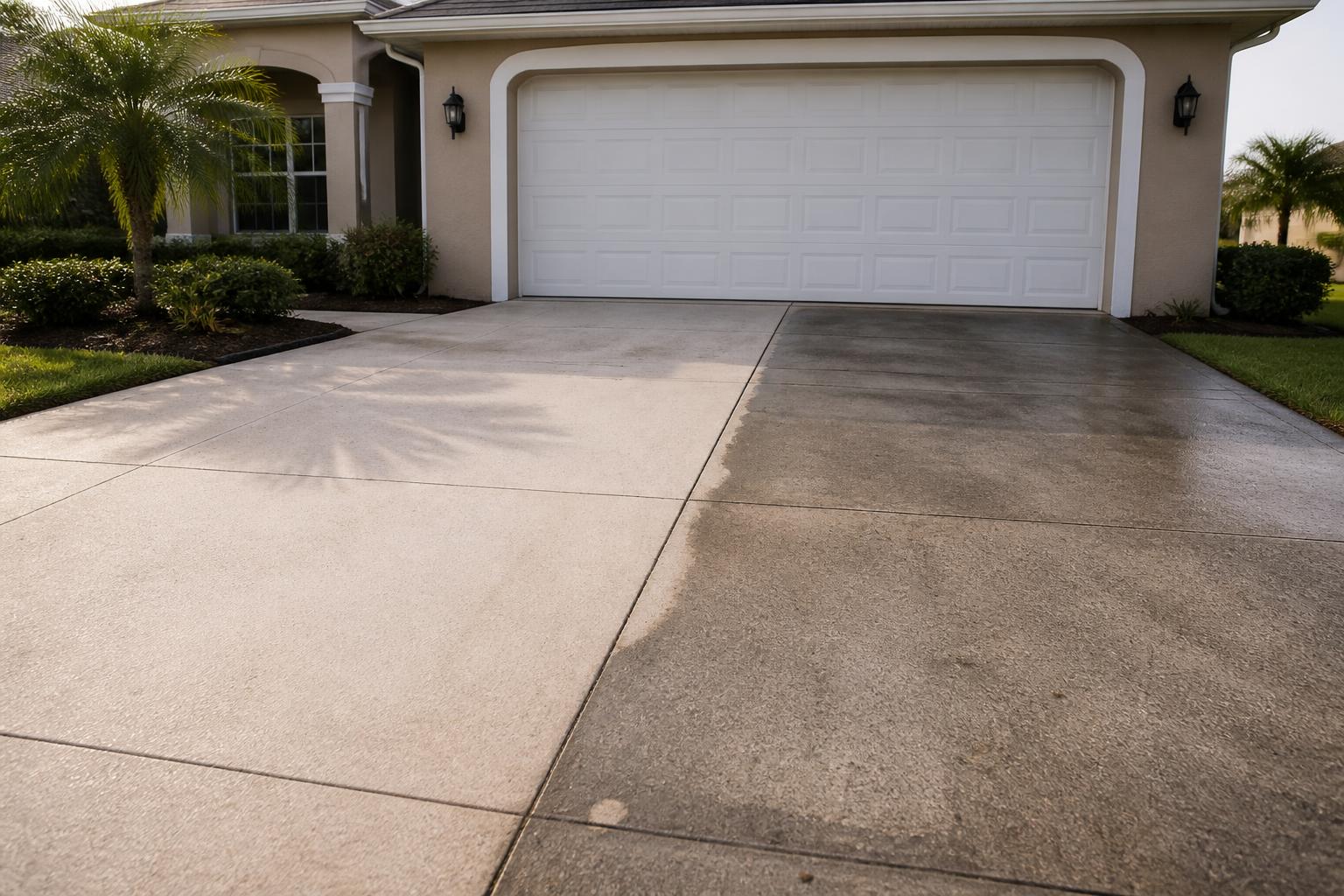
Florida’s humidity, rain, and tree cover make driveways a fast target for algae, mildew, and dark staining, sometimes within a few months of the last cleaning. Pressure washing a driveway is one of the most noticeable exterior cleaning jobs a home can get, but doing it well takes more than pointing a wand at the concrete.
Why Cape Coral Driveways Stain So Quickly
Concrete is porous, and in a climate with regular rain and high humidity, that porosity works against it. Algae and mildew take hold in shaded areas or spots that stay damp longer, sprinkler overspray leaves mineral deposits in the same location every time it runs, and rust stains can form where metal furniture, planters, or fixtures sit directly on the concrete. None of this is a sign of a poorly maintained driveway; it’s just how concrete behaves in Southwest Florida’s climate, which is why most driveways in the area need pressure washing more often than homeowners moving from a drier climate might expect.
What Proper Surface Prep Involves
A good pressure washing job starts before the water turns on. Loose debris, leaves, and dirt get cleared first so they don’t just get pushed around. Oil stains and heavy organic buildup, like algae growth, typically need a pretreatment applied and given time to work before pressure washing, rather than relying on water pressure alone to lift them. Skipping this step is the most common reason a driveway looks only partially clean afterward, with stains still faintly visible in the same spots.
Why Equipment and Technique Matter
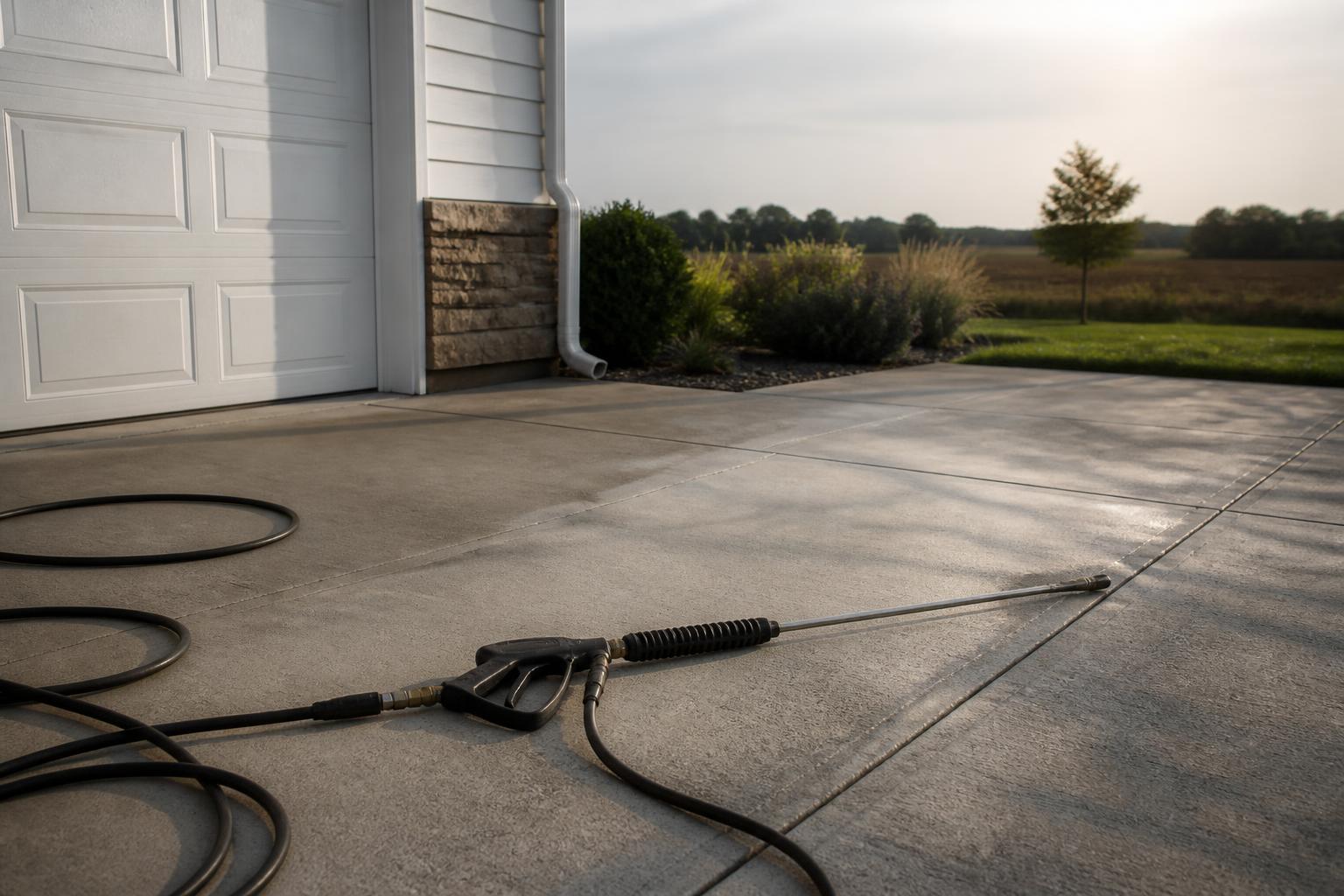
Pressure that’s too high, or a nozzle held too close to the surface, can etch concrete, leaving visible lines or a rougher texture that actually holds dirt more easily afterward. The right approach uses controlled pressure and a consistent, overlapping pattern across the full surface, working from one edge to the other so there are no missed strips or uneven clean lines. This is also where professional equipment has a real advantage over a consumer pressure washer: consistent flow and pressure control make it much easier to clean the entire driveway evenly instead of leaving streaks where passes overlapped unevenly.
How Often Cape Coral Driveways Need It
Most driveways in the area benefit from pressure washing once or twice a year, though shaded driveways under tree canopy or those near sprinklers may need it more often. Watching for early graying or a faint green tint in shaded corners is a good way to catch buildup before it becomes a deep stain that takes more time and product to remove.
Other Surfaces That Benefit From the Same Process
A driveway is usually the most visible candidate for pressure washing, but the same process applies to other exterior concrete and paver surfaces around a home. Walkways and entry paths collect the same algae and mineral staining as a driveway, often faster if they’re shaded by landscaping. Pool decks and lanai flooring are exposed to constant moisture and pool splash-out, which makes them prone to the same slippery algae buildup that shows up on shaded driveway sections. Patios, especially those with pavers rather than poured concrete, need a bit more care during pressure washing to avoid disturbing the joint sand between pavers, but respond just as well to a proper cleaning. Bundling these surfaces into a single pressure washing visit alongside the driveway is usually more efficient than scheduling them separately, since the equipment and prep work are already set up for the job.
DIY vs. Professional Pressure Washing
Consumer pressure washers are widely available, and a homeowner can certainly run one across a driveway. The tradeoffs show up in the details: consumer units usually deliver less consistent pressure than commercial equipment, which makes it harder to avoid streaking where passes overlap unevenly. Choosing the wrong nozzle or holding it too close is also the most common cause of etched concrete, and it’s an easy mistake to make without experience reading how different areas of a driveway respond to pressure. Pretreatment chemicals for algae and oil stains also need to be matched to the surface and the specific type of staining, which is knowledge that comes from doing this work regularly rather than from a single afternoon project. None of this means DIY pressure washing can’t work for light, regular maintenance; it just means a driveway with heavier staining or one that hasn’t been cleaned in a year or more tends to get a more even, complete result from equipment and technique built specifically for the job.
Before attempting this work yourself, review the CDC’s pressure washer safety guidance. High-pressure spray can cause serious injuries, and gasoline-powered equipment creates a carbon monoxide hazard in enclosed or partially enclosed spaces.
Document the Starting Condition Before Requesting an Estimate
Take a few clear photos of the driveway before requesting service: one showing the whole area and others showing the marks that concern you. Include cracks, worn patches, painted areas or an existing coating in your description. A photo cannot replace an on-site assessment, but it helps explain whether your concern is surface dirt, a localized stain or a change in the concrete itself.
Tell the provider what you know about earlier treatments or repairs rather than guessing at the cause of a mark. Ask how the surface condition affects the proposed work and what improvement is realistic. Cleaning does not repair cracked concrete, restore a worn coating or guarantee that every old stain will disappear.
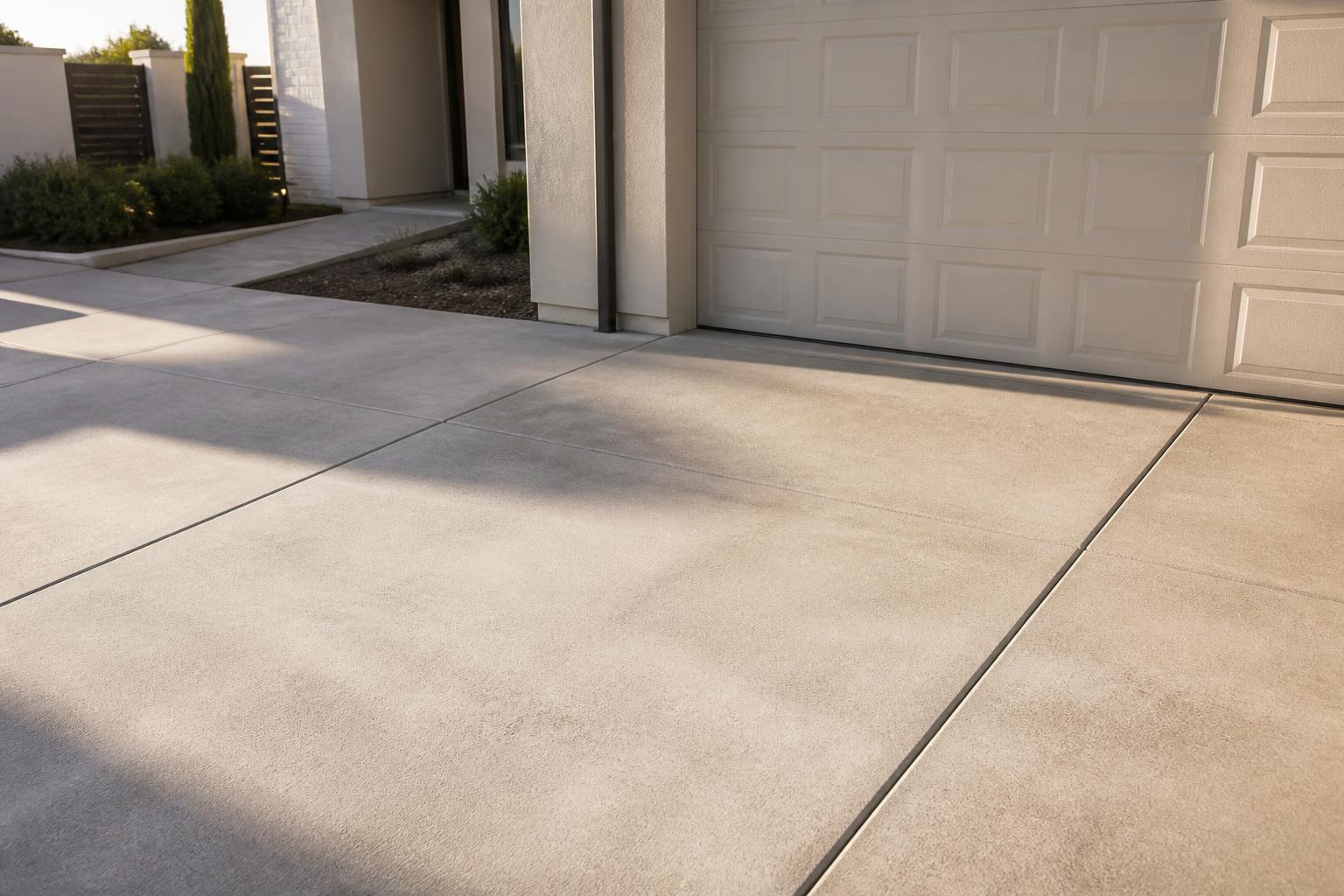
Keep the same photos for your after-visit comparison. Similar lighting and camera positions make the comparison more useful than contrasting a shaded “before” shot with a bright “after” shot. Check the agreed work area and any stains discussed beforehand, then raise specific questions with the provider. The goal is a clear assessment of the result, not a promise that every part of an older driveway will look new.
Frequently Asked Questions
Q: Will pressure washing damage my concrete driveway?
A: Done correctly, no. Damage typically comes from pressure that’s set too high or a nozzle held too close to the surface, which is exactly why controlled equipment and a consistent technique matter more than raw pressure alone.
Q: How long does driveway pressure washing take?
A: The time depends on the driveway’s size and how much buildup is present, including surface prep and pretreatment time for any stained areas.
Q: Can pressure washing remove old oil stains completely?
A: Fresh oil stains usually lift well with pretreatment followed by pressure washing. Older, deeply set stains may lighten noticeably but won’t always disappear completely without additional targeted treatment.
Protecting Landscaping and Nearby Surfaces
A driveway rarely sits in isolation from landscaping, garage doors, or a home’s exterior siding, and good pressure washing technique accounts for all of it. Plants and grass bordering the driveway should be protected from concentrated pretreatment chemicals, since some cleaning solutions strong enough to lift algae can also stress nearby vegetation if it’s not rinsed or shielded properly. Garage doors and exterior walls adjacent to the driveway need the spray pattern kept low and controlled so runoff doesn’t streak painted or textured surfaces above the concrete line. None of this is complicated, but it’s exactly the kind of detail that separates a driveway that comes out clean with no collateral marks from one that looks great except for a new streak on the garage door that wasn’t there before the cleaning started.
Schedule Driveway Pressure Washing
3D Cleaning provides pressure washing for driveways, walkways, and exterior surfaces across Cape Coral and the surrounding area. Contact 3D Cleaning to schedule a driveway cleaning before staining sets in further.